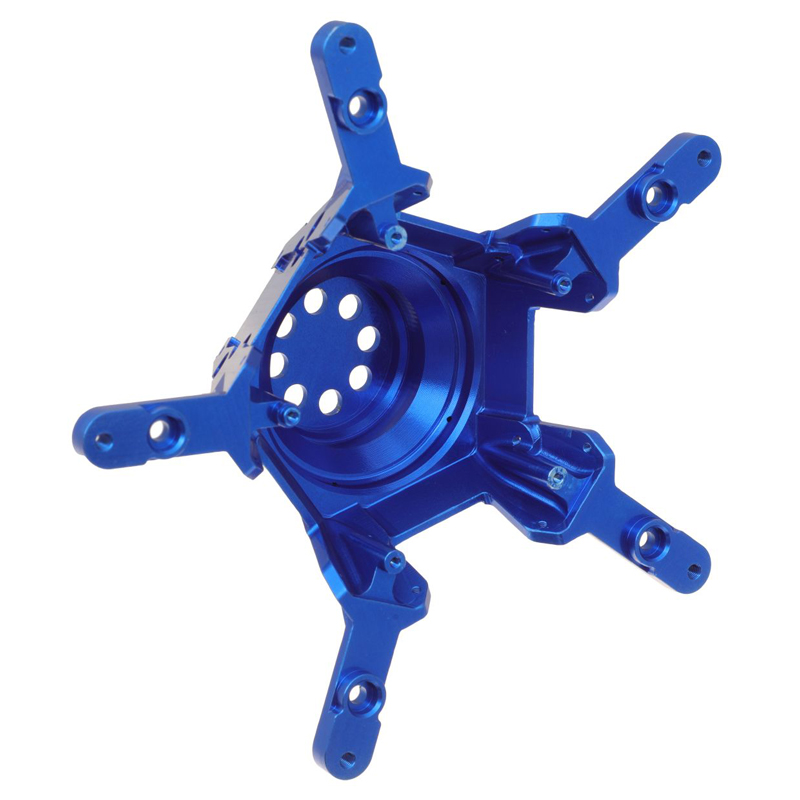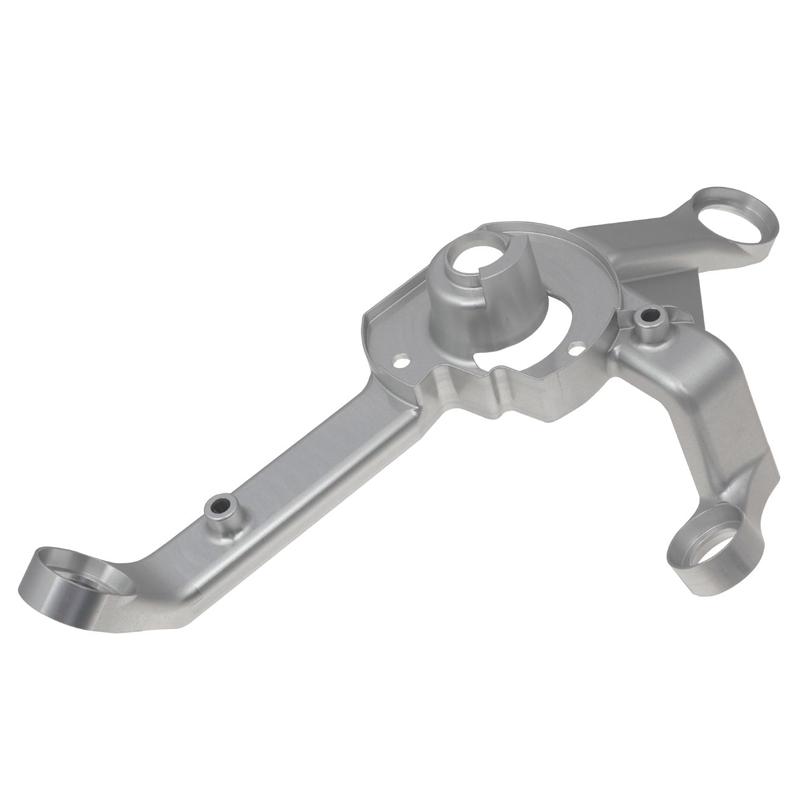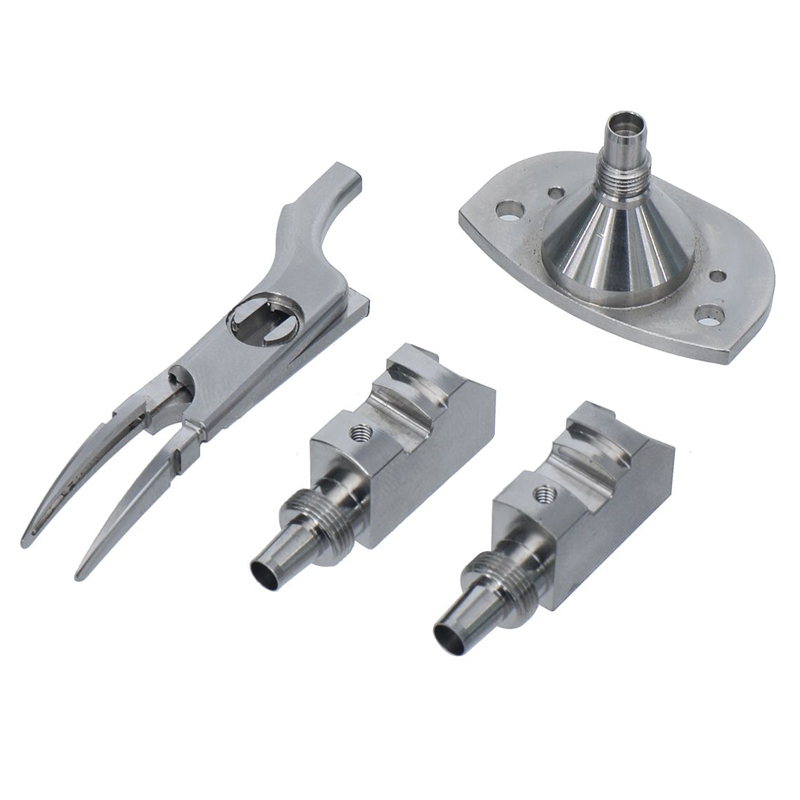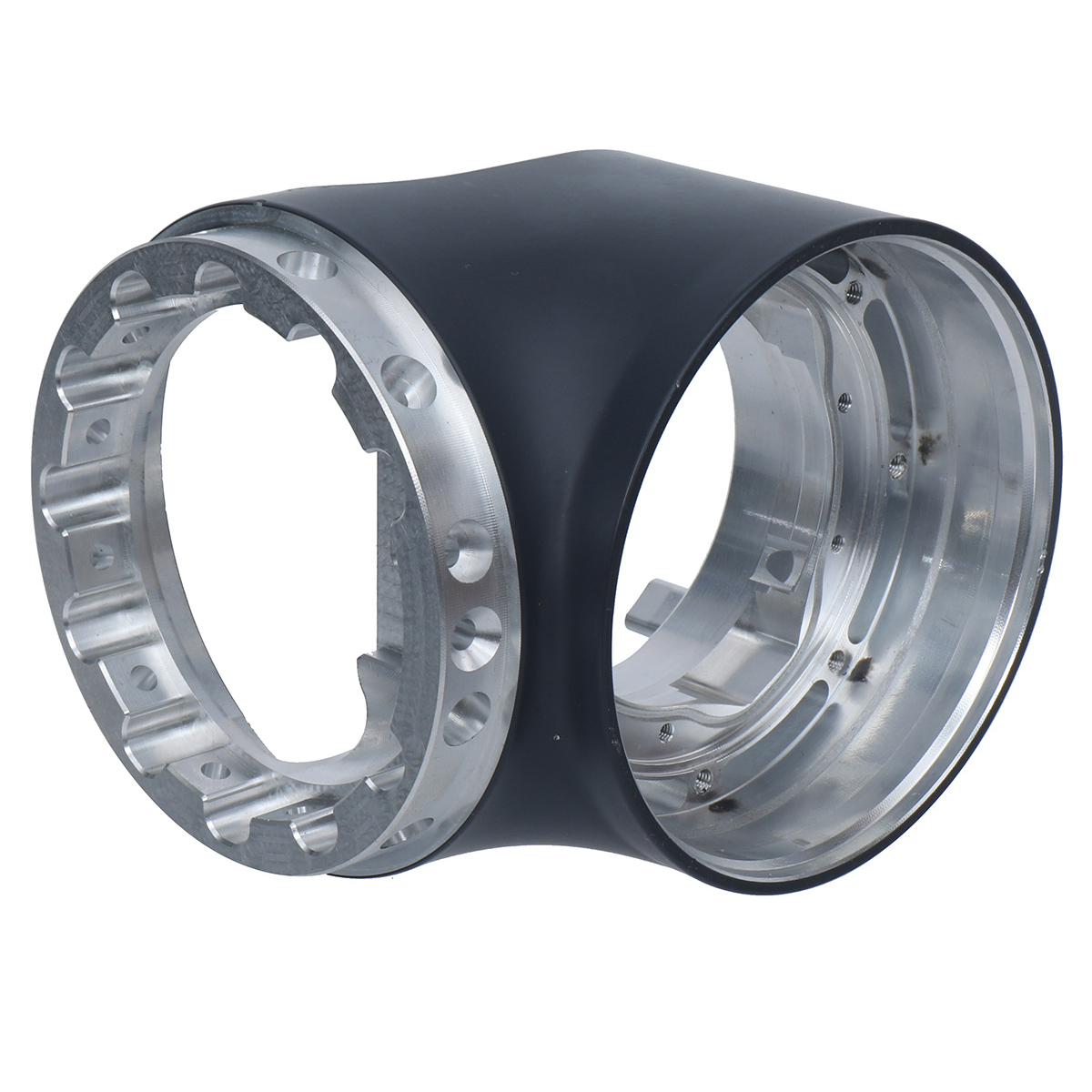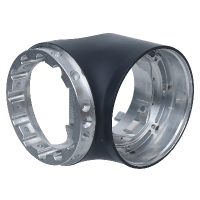
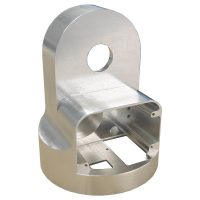
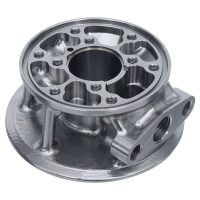
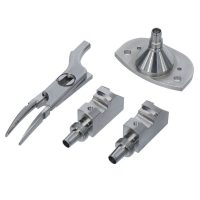
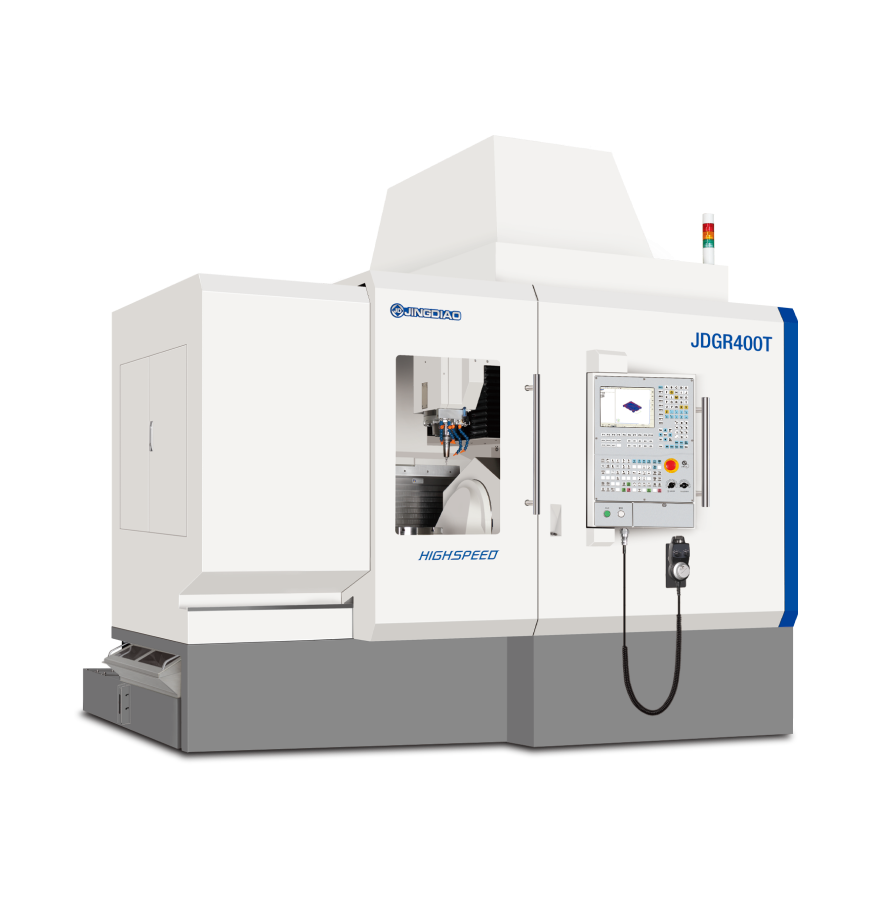
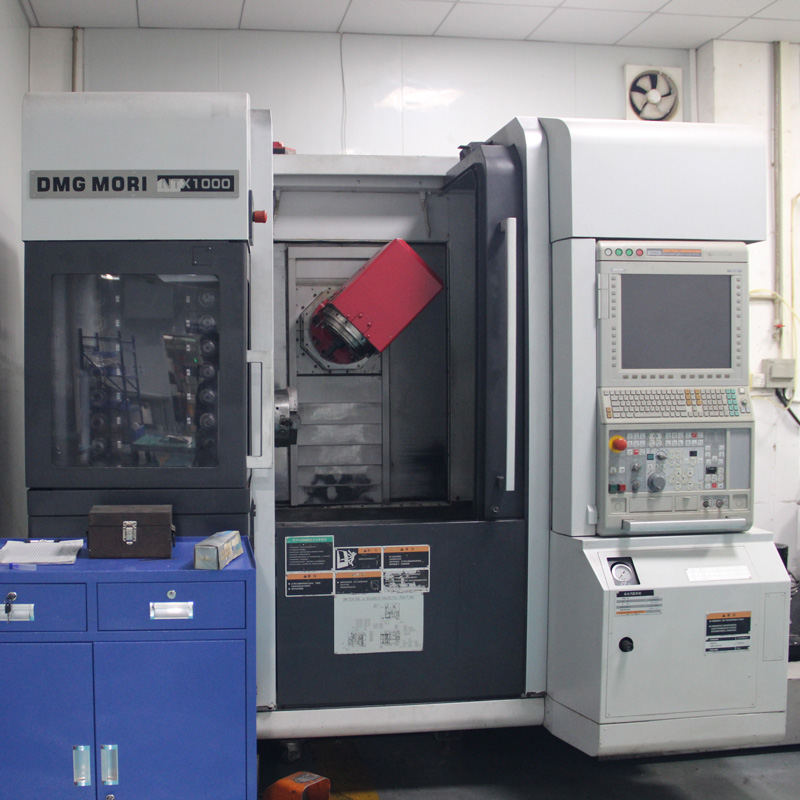
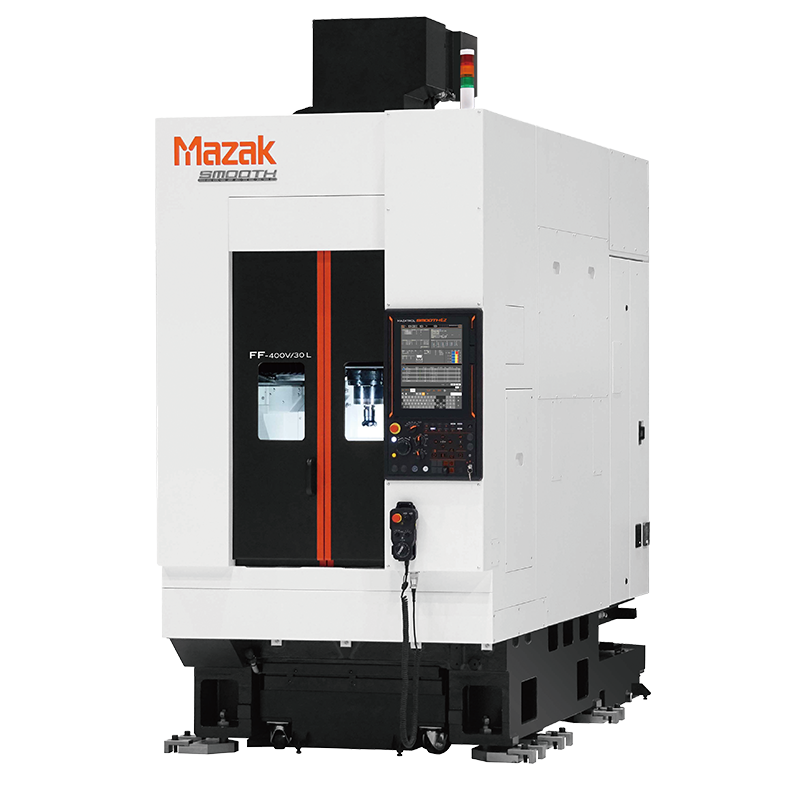
China 5 Axis CNC Machining Services
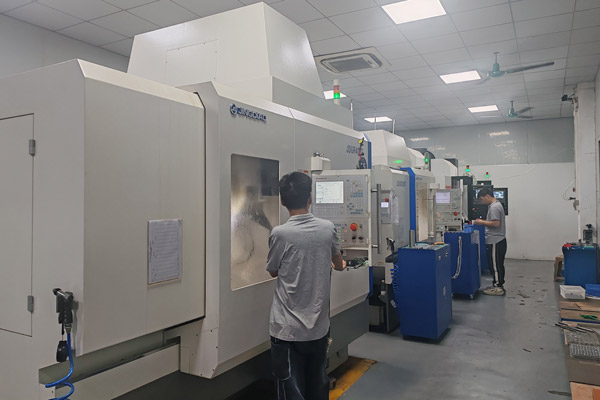
Xinqida’s professional 5 axis CNC machining services in china cater to diverse industries, yielding high-precision metal and plastic components.
- 5-axis machining reduces production time by up to 40%
- ±0.005mm Tight Tolerance
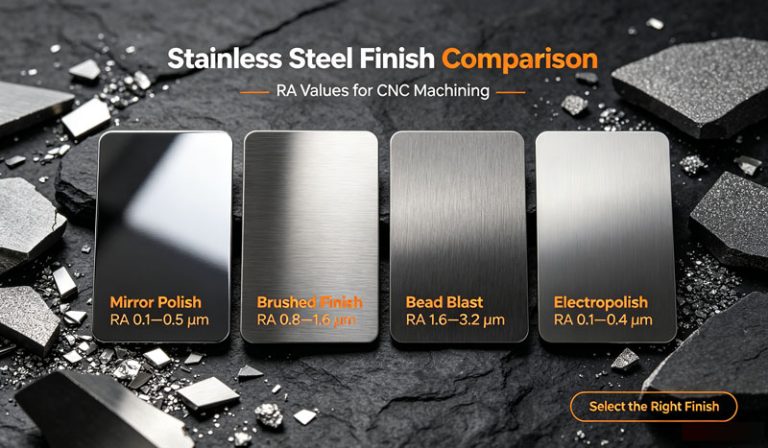
- We deliver top-quality finishes with surface roughness as low as 0.4µm
- Advanced tools (e.g., Zeiss CMM) drive our defect rate below 0.01%.
All your information and uploads are safe and confidential.
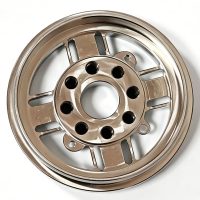
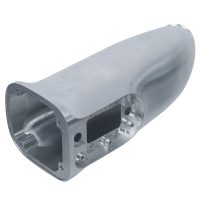
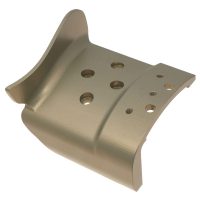
5-Axis CNC Machining Parts Carousel


Why Choose 5-Axis CNC Machining
- Enables the production of highly intricate and complex geometries that are beyond the capabilities of traditional 3-axis machines.
- The simultaneous movement of the cutting tool delivers superior surface quality, especially on detailed or curved surfaces.
- Reduces tooling and fixture costs by minimizing the number of setups required during machining.
- Perfect for rapid prototyping of sophisticated components, supporting quicker design testing and optimization.
- Shortens overall machining cycles by completing parts in fewer operations with greater efficiency.
5 Axis Machining Applications
Aerospace
5-Axis CNC machining suits all titanium & aluminum aerospace parts, including:
- Aerospace structural bulkheads
- Landing gear precision components
- Aircraft fuselage segments
- Aircraft grade SS end cap
Automotive
5-Axis machining finds extensive application in the automotive sector, serving both prototyping and mass production of automotive components.
Key components processed via this advanced method include:
- Automotive light guide strips
- Quality inspection jigs
- Engine protective covers
- Engine casings
- Automotive engine valves
Electronics
Key components processed via this advanced method include:
- Electronic sensor housings with complex curved surfaces
- Miniature motor casings for electronic devices
- High-precision PCB testing jigs
- Optical module mounting brackets
- Electronic device heat dissipation structures
- Micro-connector shells with multi-faceted features
- Laser equipment optical component holders
Medical
Titanium and stainless steel surgical instruments are commonly manufactured using 5-axis CNC machining. These medical components demand exceptional precision and are frequently produced in high volumes—requirements that align perfectly with the enhanced efficiency of 5-axis machining technology.
Precision CNC-machined surgical instruments encompass:
- Medical cutting instruments
- Surgical spacing components
- Medical tissue forceps
- Precision surgical clamping tools
- Precision-machined scalpels
Optical
Precision CNC-machined optical components encompass:
- Optical lens barrel assemblies
- Precision mirror positioning mounts
- Optical filter clamping fixtures
- Precision optical adjustment stages
- High-precision prism holding components
Robot
Key components processed via this advanced method include:
- Robotic articulated arm segments
- Harmonic reducer housings
- End effector gripper bodies
- Robot base connection brackets
- Precision robotic joint casings
- Sensor mounting frames for robotics
- Servo motor flanges for robotic systems
- Robotic link rod assemblies
Semiconductor
Key components processed via this advanced method include:
- Semiconductor wafer carrier chucks
- Lithography machine precision guide bases
- Semiconductor test fixture bodies
- Vacuum chamber sealing flanges
- Ion implanter beam path components
- Chip packaging mold inserts
- Semiconductor equipment positioning brackets
- Wafer handling robot end effectors
Get 5 Axis Prototyped And Production-Ready Parts Today
Every piece of information and all uploads are protected securely and treated as confidential.
Challenges Require 5-AXIS
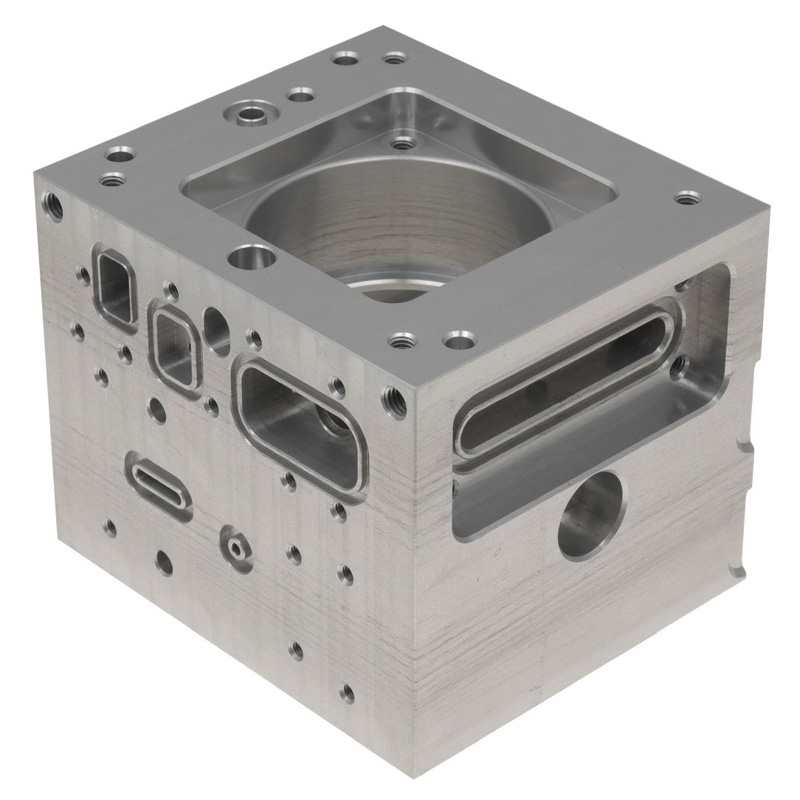
Complex cavities with multi-angle cross holes and inclined holes
Internal cavities and side walls contain angled features, where holes are not parallel or perpendicular to the datum. Hole-to-hole and hole-to-cavity intersections often create tool access conflicts.
3-axis machines can only drill vertical holes, and 4-axis systems provide only single-axis rotation, making multi-angle alignment impossible.
5-axis machining enables simultaneous tool tilting and rotary table movement, completing all angled drilling and slotting operations in a single setup.
Typical parts: robot joint housings, hydraulic valve bodies, manifold blocks.
Multi-face bosses, inclined ribs, and intersecting stiffeners
Structural parts feature inclined reinforcement ribs, irregular bosses, and intersecting stiffeners with completely different orientations. Adjacent features often cause tool interference.
3-axis machining requires multiple re-fixturing steps, leading to accumulated positioning errors and low efficiency.
5-axis machining enables full-contour machining in a single setup while maintaining tight geometric tolerances.
Typical parts: machine frames, aerospace brackets, motor bases.
Impellers, turbine wheels, and fan blades
Blade passages are narrow and highly twisted, with complex 3D surfaces and severe interference between adjacent blades.
3-axis tools cannot reach internal flow channels, and 4-axis rotation still leaves inaccessible areas.
5-axis machining adjusts tool orientation dynamically, allowing the cutter to avoid blade interference and machine full blade surfaces and flow paths continuously.
Typical parts: pump impellers, fan blades, aerospace micro-turbines, turbocharger wheels.
Complex freeform surfaces and undercut geometries
Parts include undercuts (negative draft angles), steep walls, and complex curved surfaces.
3-axis machining is limited to vertical cutting and cannot access undercut regions.
5-axis machining enables side milling and angled cutting, directly machining undercuts and steep surfaces.
Typical parts: automotive lighting molds, interior trim molds, decorative freeform parts, aerospace skin components.
Multi-faceted freeform geometries (spherical and hybrid surfaces)
Spherical, elliptical, and hybrid multi-surface geometries feature continuously changing curvature and orientation.
3-axis step machining results in poor efficiency and surface finish.
5-axis continuous toolpath machining significantly improves surface quality and dimensional accuracy.
Multi-angle flanges, eccentric flanges, and special pipe fittings
Flange faces and bolt holes are oriented at spatial angles, often with eccentric or offset interfaces where pipe axes do not align with flange datum surfaces.
3-axis and 4-axis machining require multiple setups, causing accumulated alignment errors and poor concentricity or perpendicularity.
5-axis machining completes all features in a single setup, ensuring high geometric accuracy.
Three-way / four-way pipe connectors
Multiple ports intersect at different spatial angles, with complex internal and external geometries combining inclined planes and curved surfaces.
Internal cavity machining is particularly challenging due to tool access limitations and dead zones in conventional machining.
Multi-position angled fixtures and irregular locating tools
Fixtures often include locating holes, angled supports, and irregular positioning features oriented in multiple directions.
Multiple re-fixturing operations destroy datum consistency.
5-axis machining enables one-step machining of the entire fixture, ensuring consistent positional accuracy across all features.
Aerospace structural parts, beams, and housings
Thin-wall structures with numerous angled holes, slots, and variable-angle ribs.
Reduced setups are critical to minimize deformation.
5-axis machining reduces clamping operations and uses optimized tool orientation to lower cutting forces and vibration.
Complex aerospace connectors and fasteners
Features include spatial threaded holes, angled countersinks, and multi-step surfaces with angular tolerances as tight as ±0.01°.
Conventional machines cannot reliably maintain such angular accuracy.
Deep cavities with steep sidewalls and root finishing
Sidewall angles exceeding 30° create tool interference risks and poor chip evacuation in deep cavities.
5-axis machining enables tool tilting with short cutters, improving rigidity and eliminating long-tool chatter.
Spatial angled threads and oblique counterbores
Threaded holes and counterbores are oriented in arbitrary spatial directions, not limited to single-axis orientation.
4-axis systems can only rotate in one plane, while 5-axis simultaneous motion is required for full spatial alignment.
5-Axis CNC Machining
FAQ's
Yes, our 5-Axis CNC Machining service excels at this. Its multi-axis movement cuts down repeated setups and errors, ensuring precision for complex geometries (e.g., curved surfaces, undercuts) even for small batches (5–50 units), with fast prototype delivery.
We use sharp carbide/PCBN tools, optimized low-stress parameters, and flexible fixtures to avoid deformation. Real-time tool compensation and in-process probing keep tolerance within ±0.005mm for precision titanium alloy thin-walled parts.
Key tips: Optimize tool paths to reduce idle time, nest parts for minimal material waste, and standardize processes. These strategies cut costs without compromising quality for low-volume 5-Axis CNC Machining.
We select fine-edge tools, adjust to high spindle speed + moderate feed rate, and optimize tool paths (e.g., climb milling). For strict requirements (Ra ≤ 0.8μm), light finishing passes ensure smooth results for complex parts machining.
Absolutely. Our precision 5-Axis machining delivers ±0.001mm tolerance, works with biocompatible materials (titanium, medical stainless steel), and adheres to ISO 13485 standards—ideal for medical micro-parts production.