
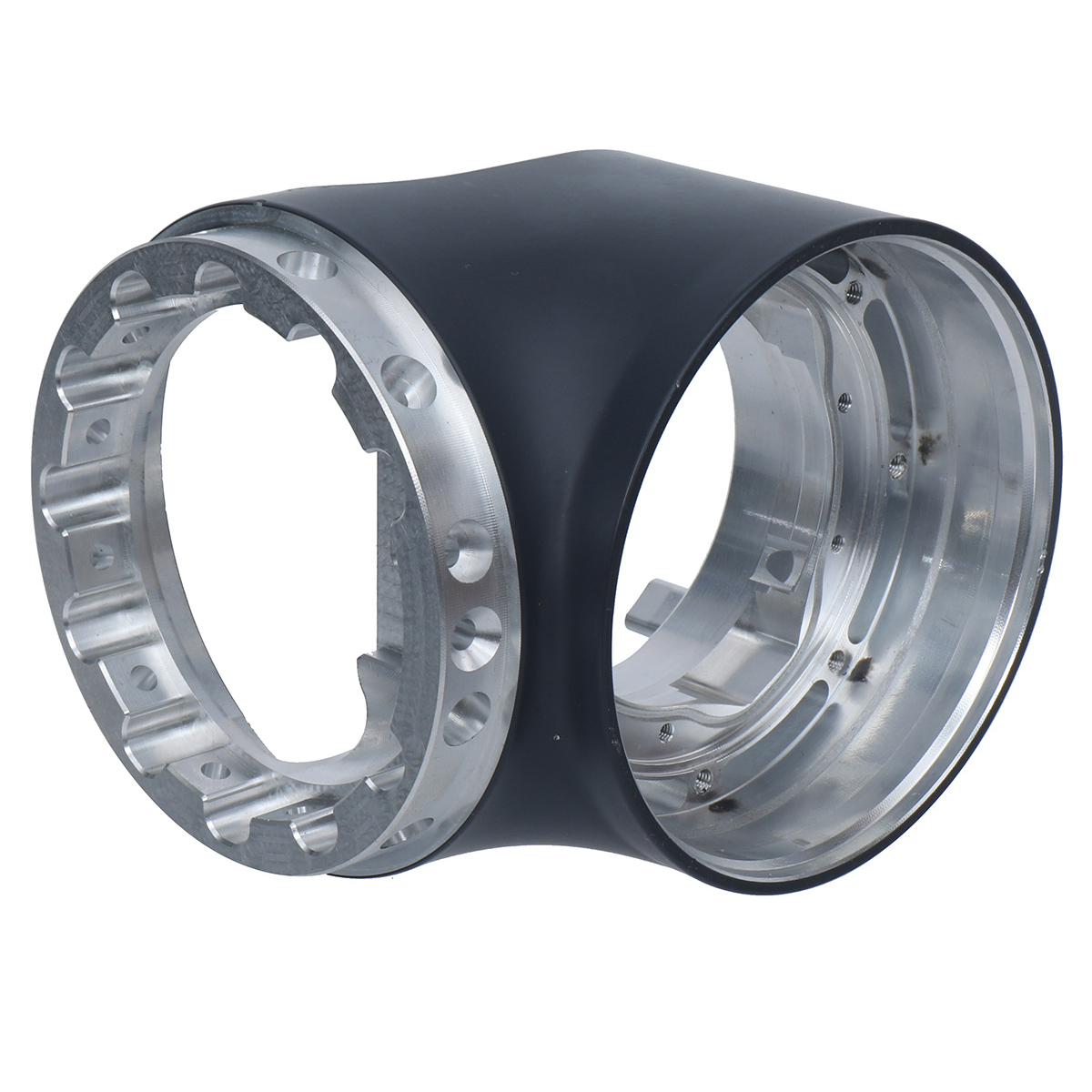
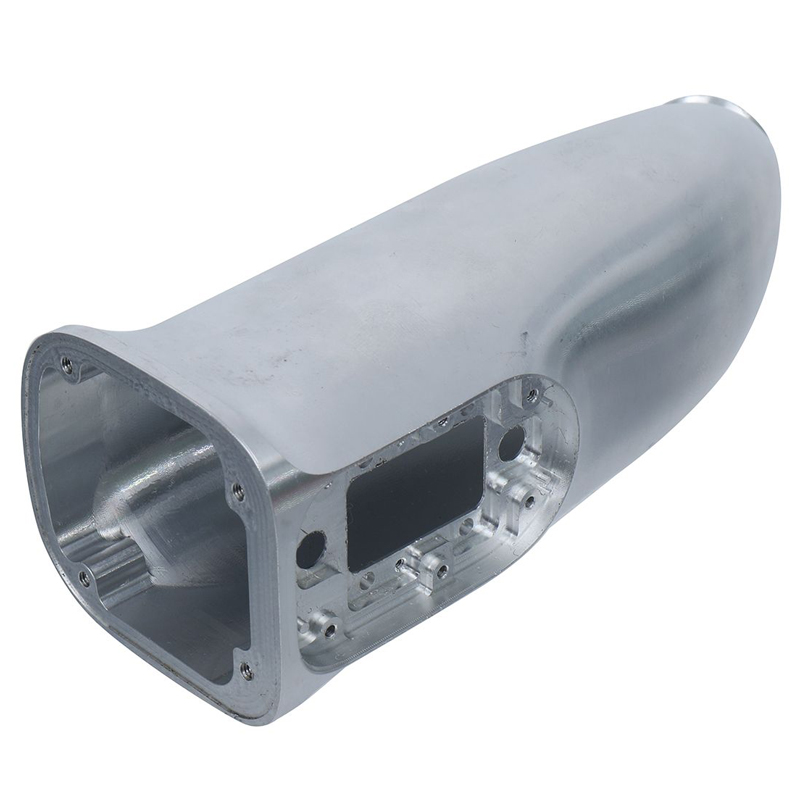
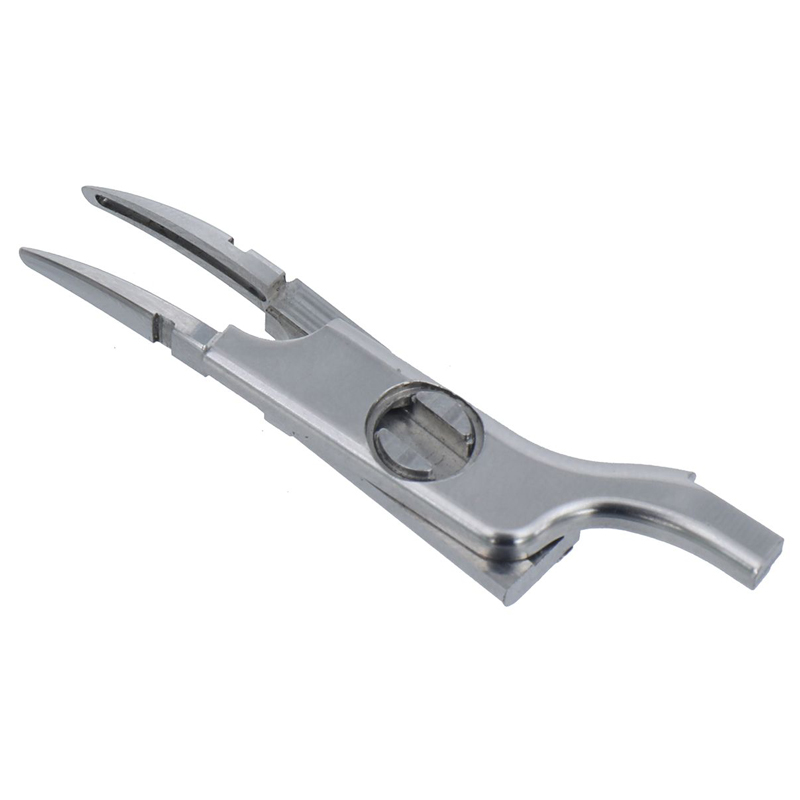
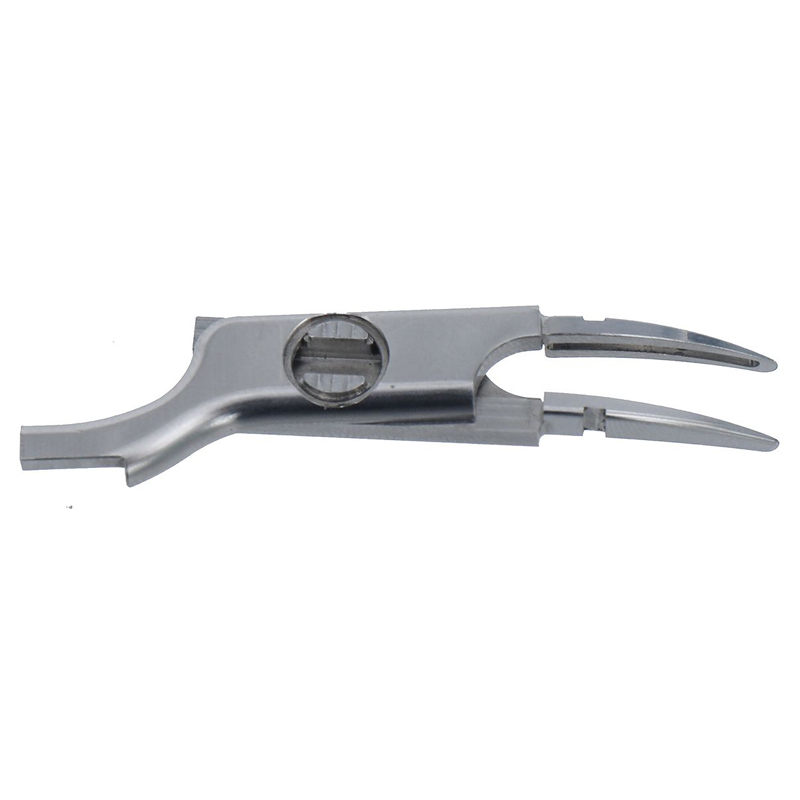
Custom CNC Surgical Parts for Endoscopic Instruments – 316L Stainless Steel
Description
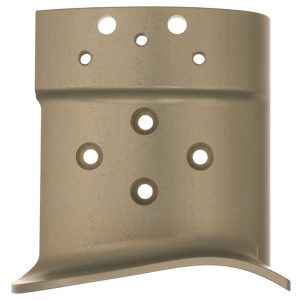
CNC Surgical Parts for Endoscopic Surgical Instruments
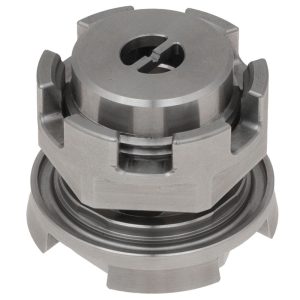
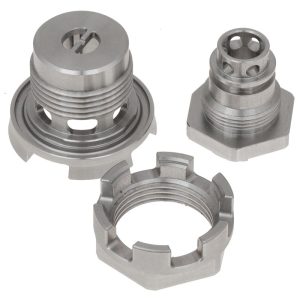
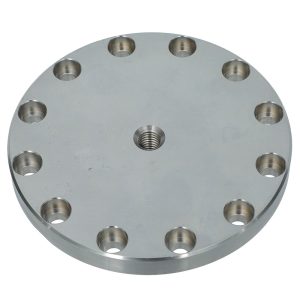
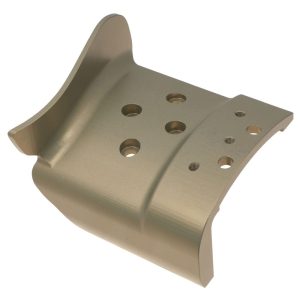
These custom CNC surgical parts are precision-machined components designed for endoscopic surgical instruments and other minimally invasive medical devices. Manufactured from 316L stainless steel, these surgical parts are produced according to customer drawings and technical specifications for applications requiring controlled dimensions, reliable mechanical performance, and consistent manufacturing quality.
XINQIDA provides custom CNC machining for surgical parts, including endoscopic surgical instrument components, small precision mechanical parts, connection components, positioning components, and other non-standard medical device parts. Prototype, small-batch, and production machining are available based on project requirements.
Unlike general-purpose CNC components, surgical parts for endoscopic instruments often contain small features, precision holes, threads, mating surfaces, internal geometries, and functional interfaces that require careful machining and inspection. The machining process must also consider burr control, dimensional consistency, surface finish, and part cleanliness.
Custom CNC Surgical Parts for Endoscopic Instruments
Endoscopic surgical instruments require compact and precisely manufactured components because their mechanical assemblies often operate within limited spaces. Small dimensional deviations in a critical feature can affect component fit, movement, alignment, or overall instrument performance.
Custom CNC machining provides a flexible manufacturing solution for these non-standard surgical parts. Depending on the part geometry, XINQIDA can use CNC milling, CNC turning, multi-axis machining, and EDM processes to produce components with complex profiles and precision features.
Typical CNC surgical parts may include:
- Endoscopic surgical instrument components
- Precision mechanical components
- Small shafts and pins
- Connection and coupling components
- Positioning components
- Instrument linkage components
- Precision housings and support components
- Custom machined stainless steel parts
- Other non-standard surgical instrument parts
Each component can be manufactured according to customer CAD files, engineering drawings, dimensional specifications, and functional requirements.
316L Stainless Steel Surgical Parts
316L stainless steel is a commonly selected material for certain medical and surgical instrument components because of its corrosion resistance, durability, and suitability for applications requiring repeated cleaning and sterilization.
For endoscopic surgical parts, material selection is particularly important because components may be exposed to moisture, cleaning solutions, and repeated sterilization processes depending on the final device design.
XINQIDA machines custom 316L stainless steel surgical parts according to customer specifications. Machining considerations can include dimensional tolerances, surface roughness, edge conditions, hole geometry, threading, and critical mating surfaces.
For projects with specific material requirements, surface treatment specifications, or documentation requirements, the engineering requirements can be reviewed during the DFM and quotation process.
CNC Machining Process for Surgical Parts
Precision CNC machining is suitable for manufacturing custom surgical parts with complex profiles, small features, precision bores, threaded holes, slots, and other functional geometries.
Depending on the component design, the manufacturing process may include:
CNC Milling
CNC milling is suitable for producing surgical parts with flat surfaces, pockets, slots, holes, contours, and three-dimensional geometries.
CNC Turning
CNC turning is used for rotational components such as precision shafts, pins, sleeves, cylindrical components, and other round surgical instrument parts.
Multi-Axis CNC Machining
Multi-axis machining can reduce the number of setups required for complex components and help maintain positional relationships between multiple features.
EDM Machining
EDM can be considered for small slots, narrow features, intricate geometries, or areas that are difficult to produce efficiently using conventional cutting tools.
The final machining process is selected according to the material, geometry, tolerance requirements, production volume, and functional requirements of each surgical part.
Precision Requirements for Endoscopic Surgical Parts
Endoscopic surgical parts can contain small functional features that require careful control during CNC machining. Depending on the component design, important manufacturing considerations may include:
- Dimensional tolerances
- Bore diameter and roundness
- Hole position and concentricity
- Thread accuracy
- Flatness and parallelism
- Surface roughness
- Burr and sharp-edge control
- Mating surface accuracy
- Feature-to-feature positional accuracy
- Material deformation during machining
Critical dimensions should be clearly identified on the engineering drawing so that the machining and inspection processes can be focused on the most important functional features.
For complex surgical instrument components, XINQIDA can review the design before production to identify potential machining difficulties and recommend appropriate manufacturing methods.
Surgical Parts Manufacturing Specifications
| Parameter | Specification |
|---|---|
| Part Type | Custom Surgical Parts |
| Application | Endoscopic Surgical Instruments |
| Manufacturing Process | CNC Milling / CNC Turning / Multi-Axis CNC / EDM |
| Material | 316L Stainless Steel |
| Production Type | Prototype / Small Batch / Production |
| Part Design | Non-Standard Custom Components |
| Dimensional Tolerance | According to Customer Drawing |
| Critical Tolerance | According to Part Geometry and Requirements |
| Surface Finish | According to Drawing |
| Surface Treatment | Passivation / Electropolishing / Custom |
| Inspection | Dimensional Inspection / CMM Inspection* |
| CAD Formats | STEP / STP / IGES / X_T |
| Drawing Formats | PDF / DWG / DXF |
| Manufacturing Method | Custom CNC Machining |
*Inspection methods and tolerance capabilities depend on the specific part geometry and customer requirements.
Applications of Endoscopic Surgical Parts
Custom surgical parts can be used in different types of endoscopic and minimally invasive surgical instrument assemblies, depending on the customer’s device design.
Potential applications include:
- Endoscopic surgical instruments
- Laparoscopic surgical instruments
- Minimally invasive surgical devices
- Endoscopic mechanical assemblies
- Precision surgical instrument mechanisms
- Instrument connection systems
- Instrument positioning mechanisms
- Custom medical device assemblies
The actual application and performance requirements of each component depend on the final medical device design. XINQIDA manufactures the individual CNC components according to the customer’s engineering drawings and technical specifications.
Manufacturing Challenges of Endoscopic Surgical Instrument Parts
Manufacturing endoscopic surgical parts can be more demanding than producing general industrial CNC components because many components are relatively small and contain multiple functional features.
Small and Complex Features
Small surgical instrument components may include narrow slots, small holes, thin sections, internal features, or complex contours. Appropriate tooling and machining strategies are required to prevent tool deflection and dimensional variation.
Burr Control
Burrs on precision surgical instrument components can interfere with assembly and functional movement. Machining parameters, tool selection, and post-machining processes should therefore be considered during production.
Dimensional Consistency
Components used within the same instrument assembly may require consistent dimensions across multiple production batches. Process control and inspection are important for maintaining repeatability.
Surface Finish
The required surface finish depends on the function and final application of the component. Mating surfaces, sliding interfaces, and other critical areas may require tighter surface-finish control than non-functional surfaces.
Material Machinability
316L stainless steel provides good corrosion resistance but can be more challenging to machine than some aluminum alloys. Tool selection, cutting parameters, workholding, and heat control can affect machining stability and tool life.
Quality Control for CNC Surgical Parts
Quality control is an important part of manufacturing custom surgical parts. Inspection requirements are determined according to the part drawing, critical dimensions, material specifications, and customer requirements.
Typical inspection considerations include:
- Dimensional inspection
- Critical feature measurement
- Bore and hole inspection
- Thread inspection
- Surface finish inspection
- Visual inspection
- Burr and edge inspection
- Material verification when required
- CMM inspection for complex geometries when required
For repeat production, inspection procedures can be established around the critical characteristics identified during the engineering review.
Why Choose XINQIDA for Custom Surgical Parts?
XINQIDA focuses on custom and non-standard CNC machining rather than standard catalog components. This allows customers to submit their own CAD files and engineering drawings for the production of application-specific surgical parts.
Our manufacturing capabilities support:
- Custom CNC surgical parts
- Endoscopic surgical instrument components
- 316L stainless steel machining
- Prototype CNC machining
- Small-batch production
- Repeat production
- Complex CNC machined components
- Multi-axis machining
- DFM and manufacturability review
Before production, the component design can be reviewed for material selection, machining accessibility, tolerance requirements, tooling considerations, and potential manufacturing risks.
Custom Surgical Parts From CAD Drawing to Production
The manufacturing process typically begins with the customer’s CAD model or engineering drawing.
1. Drawing and CAD Review
The design is reviewed to identify critical dimensions, material requirements, tolerances, surface finish specifications, and other manufacturing requirements.
2. DFM Evaluation
Potential machining difficulties are evaluated, including deep features, narrow slots, small holes, thin walls, difficult tool access, and tight tolerances.
3. CNC Machining
The appropriate CNC machining process is selected according to the component geometry and production requirements.
4. Inspection
Critical dimensions and functional features are inspected according to the agreed quality requirements.
5. Surface Treatment and Finishing
Where required, additional finishing or surface treatment can be arranged according to the engineering specification.
6. Production
After prototype or first-article validation, the same manufacturing process can be used for subsequent small-batch or production orders.
FAQ About CNC Surgical Parts
What are surgical parts?
Surgical parts are precision components used in surgical instruments and medical devices. They can include mechanical components, shafts, connectors, housings, positioning components, linkage components, and other custom parts manufactured according to specific device designs.
Can you manufacture custom surgical parts for endoscopic instruments?
Yes. XINQIDA manufactures custom CNC surgical parts for endoscopic surgical instruments based on customer drawings, CAD files, and technical specifications.
Can you CNC machine 316L stainless steel surgical parts?
Yes. 316L stainless steel can be precision CNC machined for custom surgical instrument components, including parts with small features, precision holes, threads, and complex profiles.
What material is commonly used for surgical parts?
Material selection depends on the final device and engineering requirements. 316L stainless steel is one material used for certain surgical instrument components because of its corrosion resistance and durability.
What tolerances can you achieve on surgical parts?
Achievable tolerances depend on the material, part geometry, feature size, machining process, and drawing requirements. Critical dimensions should be identified on the engineering drawing so the appropriate machining and inspection methods can be selected.
Do you manufacture prototype surgical parts?
Yes. XINQIDA supports prototype development, small-batch production, and repeat manufacturing of custom CNC surgical parts according to project requirements.
Can you manufacture non-standard endoscopic instrument components?
Yes. XINQIDA specializes in non-standard CNC machining and can manufacture custom endoscopic surgical instrument components based on customer CAD files and technical drawings.
How do I request a quote for custom surgical parts?
Send your 3D CAD model, 2D engineering drawing, material requirements, quantity, and any special surface finish or inspection requirements. The design can then be reviewed for manufacturability and quotation.
Request a Quote for Custom CNC Surgical Parts
If you need custom surgical parts for endoscopic surgical instruments, send your CAD files or engineering drawings to XINQIDA for a manufacturing review.
We can evaluate the material, part geometry, tolerances, machining process, surface requirements, and production volume to determine a suitable CNC machining solution for your project.
Request a custom CNC machining quote for your surgical parts today.
Additional information
| material |
|---|

Reviews
There are no reviews yet.