

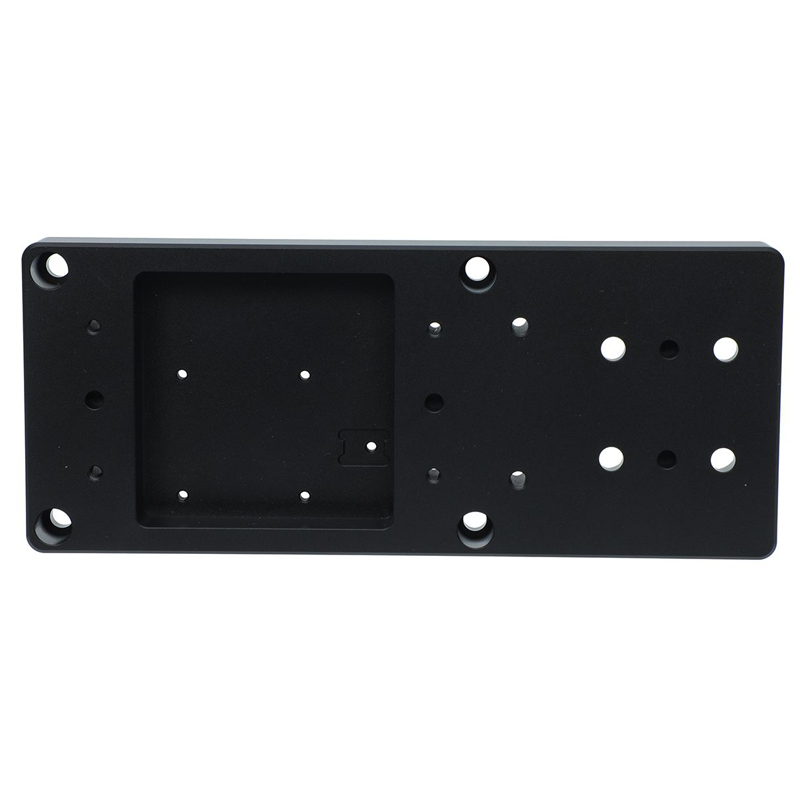
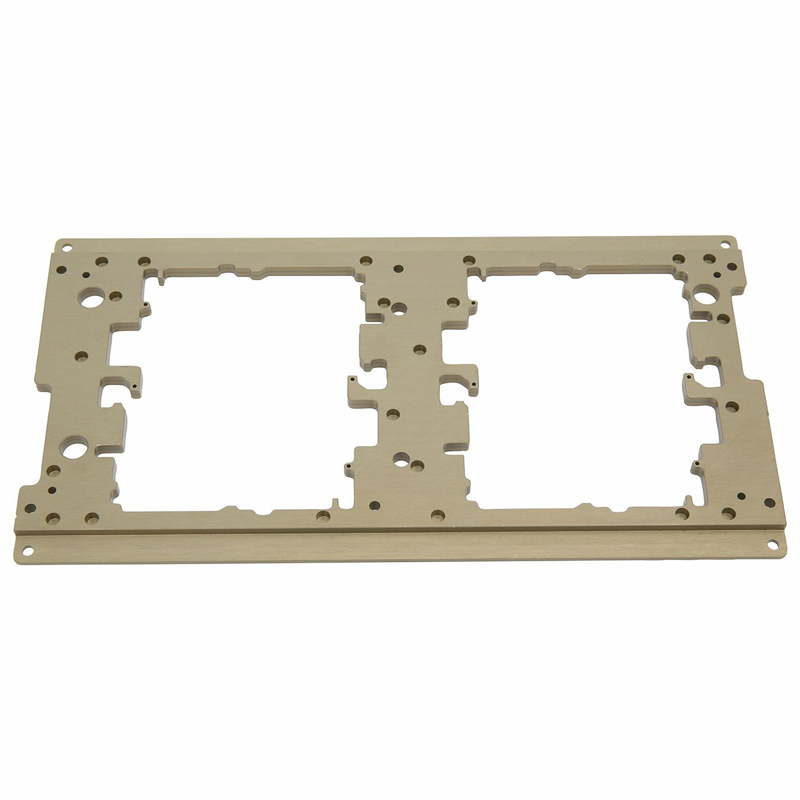
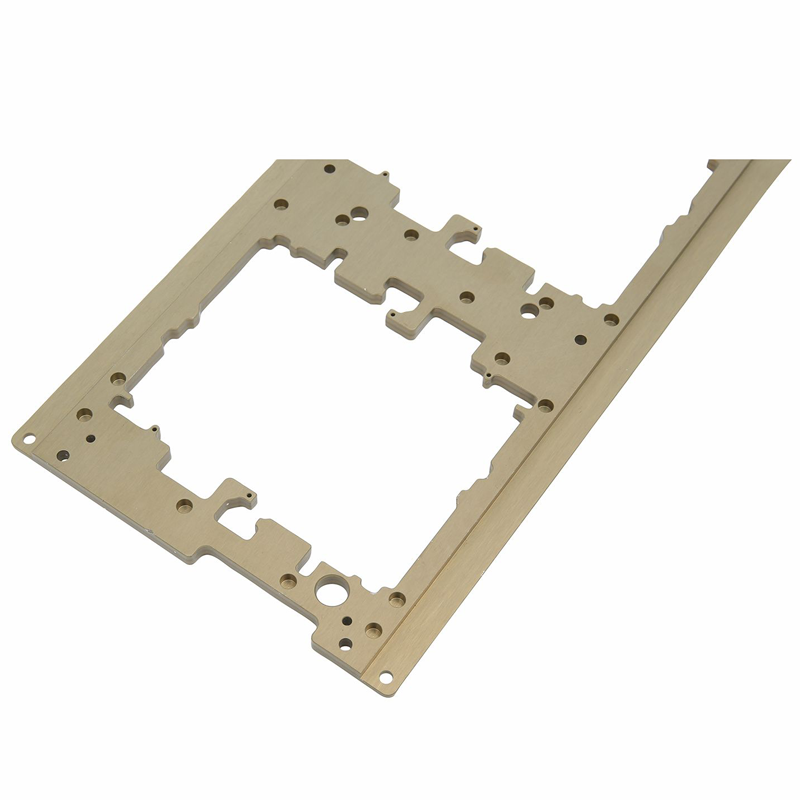
Custom CNC Machined Aluminum Electronic Device Structural Frame
Description
1. Product Overview
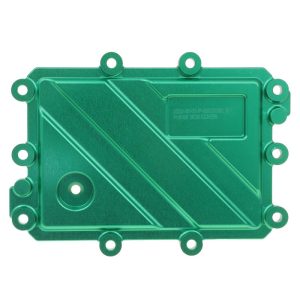
This custom CNC machined aluminum electronic device structural frame is the backbone of modern, high-end portable electronics and precision industrial equipment. Designed with a lightweight yet rigid architecture, this CNC milling part features large cutouts for component integration (such as motherboards and battery packs) and a complex network of precision mounting holes.
Whether you are developing a premium laptop chassis, a tablet middle frame, or a rugged industrial control panel, our CNC machining services deliver parts with exceptional surface finishes and tight geometric tolerances, ensuring seamless assembly and long-term durability.
2. Applications & Use Cases
This CNC aluminum frame is versatile and tailored for various high-tech sectors:
-
3C Consumer Electronics (Primary): Laptop middle frames, tablet internal support structures, keyboard mounting brackets, and ultrabook chassis.
-
Industrial Automation: Precision mounting plates, structural brackets for control cabinets, and sensor housing frames.
-
Telecom & Networking: Internal chassis reinforcement for routers, servers, and signal processing units (where structural rigidity is required).
-
Medical & Testing: Base plates for portable diagnostic equipment and precision test fixture frames.
3. Material & Surface Finish Analysis
We select the optimal aluminum alloy based on your structural and thermal requirements:
| Material Grade | Key Properties | Best Application |
|---|---|---|
| Aluminum 6061-T6 | Excellent machinability, good strength-to-weight ratio, and outstanding anodizing response. | Best choice for most consumer electronics (laptops, tablets) and industrial frames. |
| Aluminum 5052-H32 | Superior corrosion resistance and excellent formability. Ideal for bending/forming processes. | Chassis with complex forming needs or outdoor electronic enclosures. |
| Aluminum 7075-T6 | Extremely high strength (comparable to steel), very hard. | High-stress industrial components or aerospace-grade electronic mounts. |
Surface Finish Options (Standard):
-
Sandblasting + Anodizing (Champagne / Silver / Black): Creates a matte, scratch-resistant, and premium aesthetic finish, perfect for consumer-facing products.
-
Clear/Colored Anodizing: Provides anti-corrosion protection and electrical insulation.
-
Bead Blasting & Brushing: Achieves a sleek “apple-style” metal texture.
4. Technical Specifications & CNC Machining Capabilities
Below are our standard capabilities for manufacturing precision structural frames. We adjust parameters based on your 2D/3D drawings.
| Specification Parameter | Capability / Tolerance Standard |
|---|---|
| Max Part Size | Up to 1200mm x 800mm x 500mm (L x W x H) |
| Machining Axis | 3-Axis, 4-Axis, and 5-Axis CNC Milling Centers |
| Material Types | Aluminum (6061, 5052, 7075), Brass, Steel, Stainless Steel, Plastics |
| Hole/Thread Diameter | Min. 0.8mm (Micro-drilling) |
| Standard CNC Tolerance | ±0.05mm (±0.002 inch) |
| Precision / Critical Tolerance | ±0.01mm (±0.0004 inch) (available upon request) |
| Surface Roughness (Ra) | 0.4μm – 1.6μm (Ra 3.2 standard, Ra 0.8 for fine finish) |
| Flatness (for thin plates) | ≤ 0.05mm per 100mm length (to prevent warping) |
| Edge & Corner Condition | Deburred, Chamfered, or Radiused per drawing specifications |
| Lead Time | Prototype: 5-7 working days. Mass Production: 15-20 days. |
5. Manufacturing Challenges & Our Engineering Solutions
To ensure your electronic frame is 100% functional and visually flawless, we overcome these common CNC machining bottlenecks:
-
Challenge 1: Thin-Wall Warping & Vibration.
-
The Issue: Large, thin aluminum panels (like laptop frames) are prone to deformation and “chatter” marks during milling.
-
Our Solution: We utilize high-speed machining (HSM) strategies with specialized toolpaths and low-vibration holding fixtures. We also perform stress-relief heat treatment before final finishing to lock the aluminum’s internal structure.
-
-
Challenge 2: Achieving Perfect Flatness.
-
The Issue: A warped middle frame will prevent the screen or motherboard from sitting flush.
-
Our Solution: We use dual-face grinding or vacuum vacuum-chucking technology during the final milling pass, ensuring a flatness tolerance of ±0.03mm.
-
-
Challenge 3: Tapping Tiny Threads in Aluminum.
-
The Issue: Aluminum is soft and prone to “chip welding” inside small tapped holes (like M1.6 or M2), breaking the taps.
-
Our Solution: We use high-quality carbide form taps combined with precise coolant flooding to guarantee clean, reusable threads in every hole.
-
6. Quality Control & Certifications
-
Inspection Equipment: CMM (Coordinate Measuring Machine), Optical Projectors, Height Gauges, Surface Roughness Testers.
-
Quality Assurance: 100% inspection on critical dimensions (Critical to Quality – CTQ points). We provide full FAI (First Article Inspection) reports and material certifications (Mill Test Reports) with every batch.
-
Standard Compliance: ISO 9001:2015 certified, RoHS compliant (for aluminum and surface treatments).
7. Frequently Asked Questions – FAQ Schema
Q1: Can you machine this frame from a different material instead of aluminum?
A: Yes. While Aluminum 6061 is the standard for weight reduction and anodizing, we can also manufacture this structure from brass, steel, stainless steel, or even engineering plastics (like PEEK or PC) based on your specific strength or environmental requirements.
Q2: What is the minimum order quantity (MOQ) for this custom electronic frame?
A: We offer flexible MOQ. We are happy to take on 1-5 piece prototypes for your R&D testing, and we have competitive pricing for 500+ piece mass production runs.
Q3: Can you do the surface finishing like the “Champagne Gold” color shown in the picture?
A: Absolutely. We specialize in custom anodizing colors. We can match your Pantone color card or provide a standard premium finish like Sandblasting + Champagne/Matte Gold Anodize, as well as double-anodizing (two-tone) for unique aesthetic designs.
Q4: How do you ensure the part won’t warp during the CNC process?
A: For large, thin electronic frames, warping is a major challenge. We counter this by using stress-relieved aluminum stock, applying specialized fixturing (vacuum or multi-point clamps), and using “roughing-finishing” cycles with significant cooling to evenly release material stress.
For more similar workpieces, please browse our thin‑wall machining parts product series.
Additional information
| material |
|---|
Reviews
There are no reviews yet.