Heat-Treated Tool Steel Progressive Die Guide Slider for Automotive Wire Harness Terminal Molds

Description

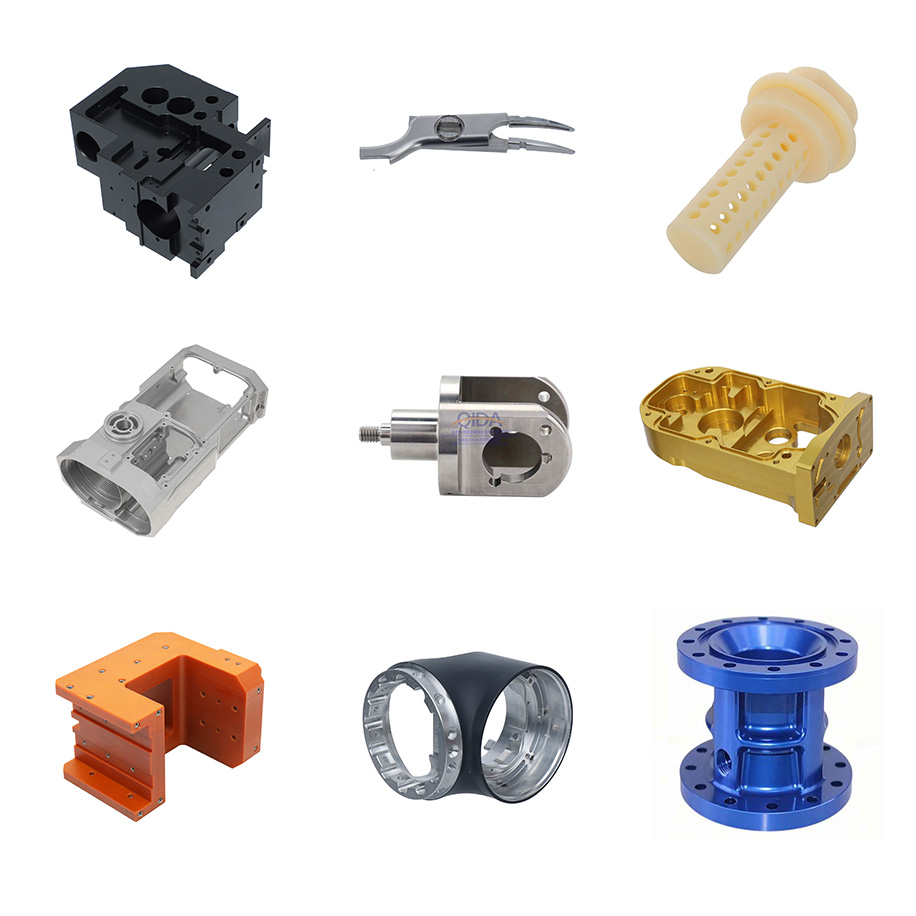
Our Heat-Treated Tool Steel Progressive Die Guide Sliders are precision CNC machined components specifically developed for high-speed terminal stamping molds used in automotive wire harnesses, consumer electronics connectors, and precision metal stamping applications. Manufactured from hardened SKD11, DC53, or equivalent tool steel materials, these components deliver outstanding wear resistance, dimensional stability, and long-term sliding performance under continuous reciprocating motion. Each part is produced through advanced CNC milling, precision grinding, drilling, and tapping processes to ensure excellent assembly consistency and tight tolerance control. The precision guide surface and precision ground slot structure provide smooth linear movement and accurate positioning inside progressive die tooling systems. Burr-free edges and hardened sliding block surfaces help minimize friction, reduce tooling wear, and improve the operational lifespan of high-speed stamping molds. The integrated U-slot, guide groove, stepped cavity, and threaded mounting structures are designed for stable strip feeding, terminal forming, cutting, bending, and positioning operations. These progressive die tooling components are widely used as terminal mold slides, tooling slide inserts, and reciprocating slide components in wire harness terminal tooling and connector stamping dies. With high hardness after heat treatment and excellent resistance to deformation, the tight tolerance mold insert maintains stable performance even under high-frequency production environments. Our precision mold inserts can be customized according to customer drawings or application requirements, including special slot geometries, precision locating structures, mounting configurations, and surface treatments. These high-speed stamping mold parts are suitable for precision progressive dies, automatic crimping machines, connector mold assemblies, and various industrial automation tooling systems requiring precision guide surfaces, wear-resistant mold sliders, and reliable sliding alignment performance.  
Parameter Specification
Product Type Progressive Die Guide Slider / Terminal Mold Sliding Insert
Industry Application Automotive Wire Harness, 3C Connector, Terminal Stamping Mold
Material Options SKD11, DC53, D2, ASP23, Tungsten Carbide
Manufacturing Process CNC Milling, Precision Grinding, Drilling, Tapping
Surface Finish Precision Ground, Black Oxide, Polished
Heat Treatment Vacuum Heat Treatment / Quenching & Tempering
Hardness HRC 58–62
Tolerance ±0.005 mm
Flatness 0.003 mm
Parallelism 0.005 mm
Slot Accuracy ±0.003 mm
Feature Structures U Slot, Guide Groove, Stepped Cavity, Mounting Holes, Threaded Holes
Edge Condition Burr-Free Sharp Edge Control
Wear Resistance High Wear Resistance for High-Speed Stamping
Motion Type Reciprocating Sliding Motion
Assembly Method Screw Locking + Dowel Pin Positioning
Compatible Equipment Progressive Stamping Dies, Terminal Crimping Machines, High-Speed Press Tooling
Production Volume Prototype & Mass Production
OEM / ODM Service Available
Quality Inspection CMM, Height Gauge, Hardness Tester, Surface Roughness Tester
Packaging Anti-Rust Oil + Vacuum Packaging + Foam Protection

People Also Ask

What Is a Progressive Die Guide Slider Used for in Terminal Stamping Molds?

A progressive die guide slider is a precision CNC machined tooling component used in automotive wire harness and 3C connector terminal stamping molds. It controls strip feeding, sliding alignment, terminal bending, cutting, and forming operations during high-speed progressive stamping production.

What Materials Are Commonly Used for Terminal Mold Sliding Sliders?

Terminal mold sliding sliders are commonly manufactured from SKD11, DC53, D2, ASP23 tool steel, and tungsten carbide materials. These hardened tool steels provide excellent wear resistance, dimensional stability, and long service life in high-speed stamping tooling applications.

Why Is SKD11 Tool Steel Widely Used for Progressive Die Components?

SKD11 tool steel offers high hardness, excellent abrasion resistance, and stable heat treatment performance. It is widely used in precision progressive stamping mold parts because it can withstand continuous reciprocating sliding motion under high-load production environments.

What Hardness Is Required for High-Speed Stamping Die Guide Sliders?

Most precision die guide sliders are vacuum heat treated to HRC58–62. This hardness range ensures high wear resistance, stable sliding performance, and improved durability for progressive stamping mold applications.

What Tolerance Can CNC Machining Achieve for Precision Mold Slider Components?

Precision CNC machining combined with grinding processes can achieve key slot tolerances of ±0.003 mm, critical dimensional tolerances of ±0.005 mm, flatness of 0.003 mm, and parallelism of 0.005 mm for high-precision tooling assemblies.

What Manufacturing Processes Are Used for Progressive Die Sliding Inserts?

Typical manufacturing processes include CNC milling, precision grinding, drilling, tapping, heat treatment, surface finishing, and full dimensional inspection. Precision grinding is especially important for achieving smooth guide surfaces and tight tolerance assembly structures.

Why Are Precision Ground Guide Surfaces Important in Stamping Tooling?

Precision ground guide surfaces improve sliding smoothness, reduce friction, maintain accurate alignment, and increase the operating life of high-speed stamping die components.

Can Progressive Die Guide Sliders Be Customized According to Customer Drawings?

Yes. OEM and ODM customization services are available based on 2D drawings or 3D files. Custom slot structures, locating features, mounting holes, surface treatments, and precision assembly requirements can all be produced according to customer specifications.

What Surface Treatments Are Available for Hardened Mold Sliding Components?

Common surface treatments include black oxide, polishing, nitriding, DLC coating, TiN coating, and anti-rust treatments depending on wear resistance and friction performance requirements.

Which Industries Commonly Use Precision Progressive Die Components?

Precision progressive die components are widely used in automotive wire harness manufacturing, 3C electronic connectors, battery terminals, appliance connectors, communication equipment, and precision metal stamping industries.

What Machines Are Compatible with Progressive Die Guide Sliders?

These tooling components are commonly used in high-speed progressive stamping dies, automatic terminal crimping machines, OTP terminal machines, servo crimping systems, and industrial automation tooling equipment.

How Do Burr-Free Sliding Surfaces Improve Mold Performance?

Burr-free sliding surfaces reduce abnormal friction and wear between moving tooling components, helping improve movement stability, assembly precision, and long-term mold reliability.

What Slot Structures Are Commonly Used in Terminal Mold Guide Sliders?

Common structures include U-slots, guide grooves, stepped cavities, strip feeding channels, precision locating slots, and sliding guide tracks designed for terminal forming and positioning operations.

Why Are Tight Tolerance Mold Inserts Important in High-Speed Stamping Dies?

Tight tolerance mold inserts help maintain accurate positioning, stable strip feeding, and consistent terminal forming quality during continuous high-speed stamping production.

How Does Heat Treatment Improve the Performance of Tool Steel Mold Sliders?

Heat treatment increases material hardness, improves wear resistance, and enhances dimensional stability, allowing mold sliders to operate reliably under high-frequency stamping conditions.

What Inspection Methods Are Used for Precision Tool Steel Slider Components?

Inspection methods typically include CMM dimensional inspection, hardness testing, surface roughness measurement, flatness inspection, parallelism verification, and full assembly quality checks before shipment.

How Are Finished Progressive Die Slider Components Packed for Shipment?

Finished components are protected with anti-rust oil, vacuum sealing, foam protection, and export-grade packaging to prevent corrosion, collision damage, and dimensional deformation during transportation.

What Are the Advantages of CNC Machined Progressive Stamping Mold Parts?

CNC machined mold parts provide superior dimensional accuracy, repeatable assembly precision, smooth sliding performance, improved tooling consistency, and better long-term reliability compared with conventional machining methods.

Can DC53 Replace SKD11 in Progressive Stamping Tooling Applications?

Yes. DC53 is often selected as an upgraded alternative to SKD11 because it offers improved toughness, better crack resistance, and longer wear life in demanding progressive stamping environments.

What Applications Use Precision Wire Harness Terminal Tooling Components?

These tooling components are widely used in automotive wiring harness systems, EV battery connectors, USB connectors, appliance terminals, communication terminals, and precision electronic connector production lines.

Additional information

material

Reviews

There are no reviews yet.

Be the first to review “Heat-Treated Tool Steel Progressive Die Guide Slider for Automotive Wire Harness Terminal Molds”

Your email address will not be published. Required fields are marked *