Precision CNC Machined Hard Anodized 6061 Aluminum Winding Machine Spline Flange Plate
Description
| Parameter | Specification |
|---|---|
| Product Name | Precision CNC Machined Winding Machine Spline Flange Plate |
| Industry | Automation Equipment / Motor Stator Winding Machines |
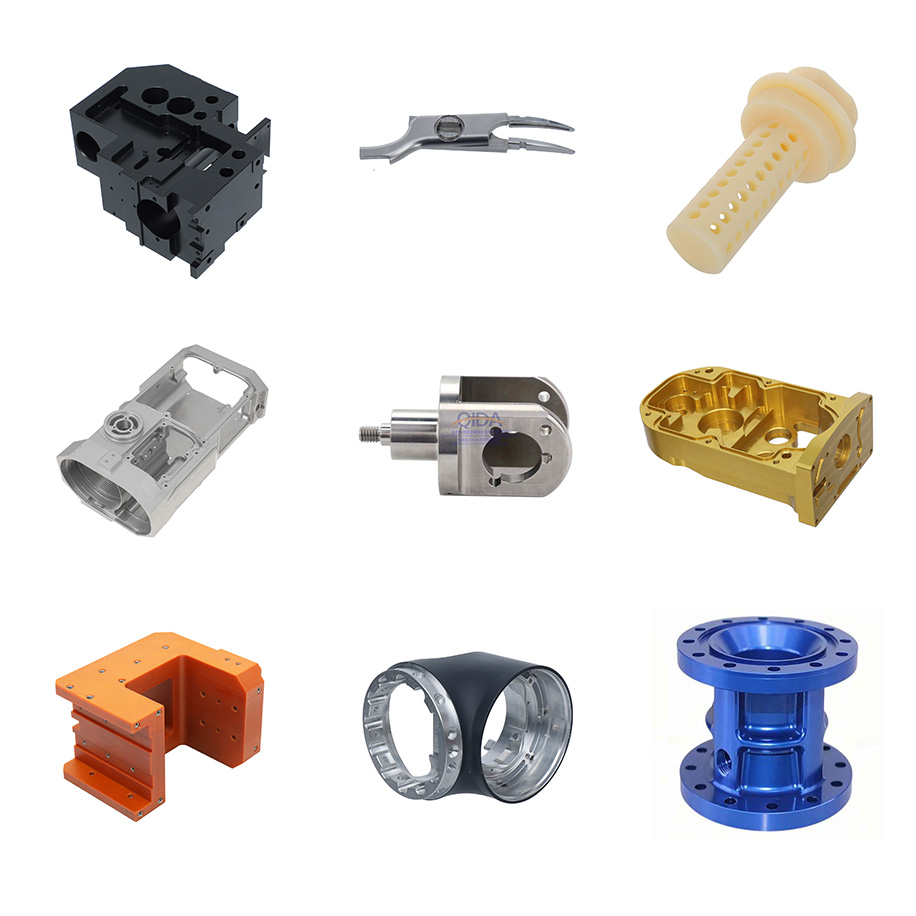
| Material | Aluminum 6061, Aluminum 7075, Steel, Stainless Steel 304/316, POM |
| Manufacturing Process | CNC Turning, CNC Milling, Internal Spline Machining, Drilling, Tapping |
| Surface Finish | Hard Anodizing, Black Anodizing, Clear Anodizing, Powder Coating, Electroless Nickel Plating |
| Outer Diameter | Customized (30–300 mm) |
| Thickness | Customized (3–30 mm) |
| Center Feature | Internal Spline Bore / Custom Drive Interface |
| Spline Type | Internal Spline, Involute Spline, Custom Profile |
| Hole Type | Through Holes, Countersunk Holes, Threaded Holes |
| Dimensional Tolerance | ±0.01 mm |
| Concentricity | ≤0.02 mm |
| Flatness | ≤0.03 mm |
| Surface Roughness | Ra 0.8–3.2 μm |
| CNC Equipment | 3-Axis, 4-Axis, 5-Axis CNC Machining Centers |
| Secondary Processes | Deburring, Laser Marking, Assembly |
| Application | Coil Winding Machines, Motor Stator Winding Equipment, Transformer Winding Systems, Automated Production Equipment |
| Drawing Format | PDF, DWG, DXF, STEP, STP, IGS |
| OEM / ODM Service | Available |
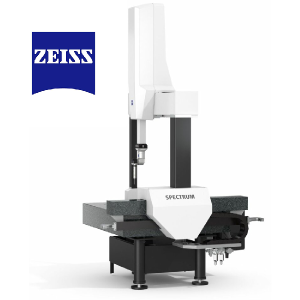
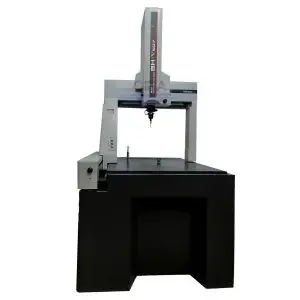
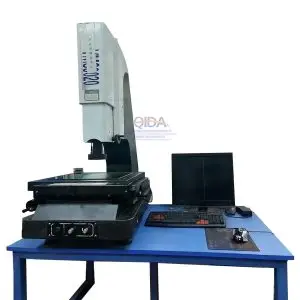
| Quality Control | IQC, IPQC, FQC, CMM Inspection |
| Certification | ISO 9001:2015 |
| MOQ | 1 Piece Prototype to Mass Production |
| Lead Time | 3–15 Working Days |
People Also Ask
A winding machine spline flange is a precision-machined component used to connect winding fixtures, stator tooling, and coil winding forms to a machine spindle. The internal spline design provides reliable torque transmission and accurate positioning for motor stator winding, transformer winding, and automated coil production equipment.
An internal spline offers greater torque capacity, improved concentricity, and more uniform load distribution than a traditional keyed bore. It minimizes backlash and slippage during high-speed winding operations, making it ideal for precision automation equipment and winding machine applications.
An internal spline refers to spline teeth machined inside a bore, while an involute spline describes the tooth profile geometry. Involute splines provide smoother engagement, better load distribution, and longer service life, making them a preferred choice for precision drive systems.
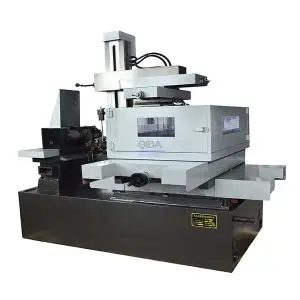
Wire EDM spline machining uses a precision electrical discharge cutting process to create highly accurate spline profiles. It is commonly used for complex internal spline geometries, tight-tolerance features, and applications where conventional broaching or milling may not achieve the required accuracy.
A blind internal spline is machined into a non-through bore with a closed bottom. This design is commonly used when shaft insertion depth must be controlled or when assembly space is limited. Blind spline machining typically requires advanced EDM or specialty machining processes.
A conical hub provides precise centering between the flange plate and the mating fixture. It improves concentricity, reduces vibration, and enhances rotational stability, which is especially important in high-speed winding machines and automated production systems.
Countersunk holes allow fasteners to sit flush with the flange surface, preventing interference with rotating components and winding fixtures. They also improve assembly safety and provide a clean, secure mounting solution for automation equipment.
Relief slots provide clearance for wiring, tooling movement, fixture installation, or assembly access. In winding machine applications, they can also accommodate wire routing paths and reduce the risk of wire damage during high-speed coil winding operations.
6061 aluminum offers an excellent balance of strength, lightweight performance, corrosion resistance, and machinability. Its low weight helps reduce spindle load and improve dynamic balance, making it one of the most commonly used materials for winding machine flange plates.
Hard anodizing is an electrochemical surface treatment that creates a thick, wear-resistant oxide layer on aluminum components. Compared with standard anodizing, hard anodized finishes provide superior hardness, abrasion resistance, and corrosion protection for demanding industrial applications.
Additional information
| material |
|---|


Reviews
There are no reviews yet.