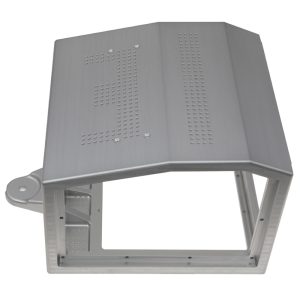
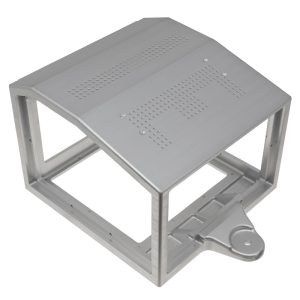
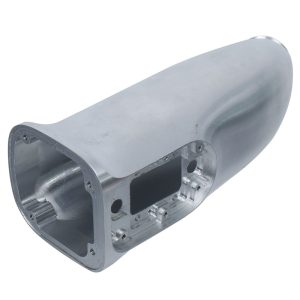
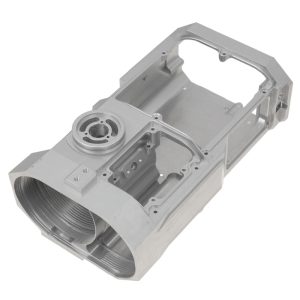
Advantages of Aluminum for CNC Housing Manufacturing
- Lightweight Yet High-Strength
With a density approximately one-third that of steel, aluminum housings significantly reduce overall equipment weight—simplifying installation, transportation, and maintenance. This makes it ideal for weight-sensitive applications such as new energy vehicle components, drones, and portable smart devices.
Additionally, selecting high-strength aluminum grades (e.g., 6061, 7075) or applying heat treatment can further enhance structural rigidity, meeting the load-bearing and impact-resistance requirements of precision equipment.
- Superior Thermal Conductivity
Aluminum boasts far higher thermal conductivity than steel or plastic. It efficiently dissipates heat generated by internal electronic components and power units, preventing performance degradation or system failures caused by overheating.
This feature is critical for housings used in industrial control devices, medical instruments, and high-power electronic equipment, indirectly extending service life.
- Excellent Machinability for CNC Processes
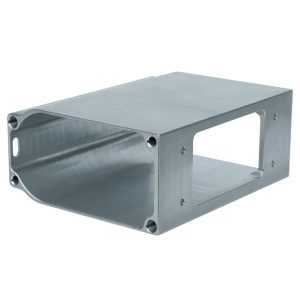
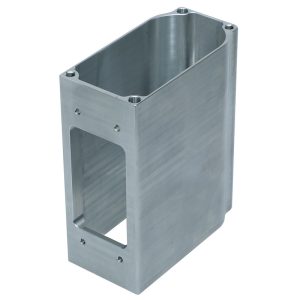
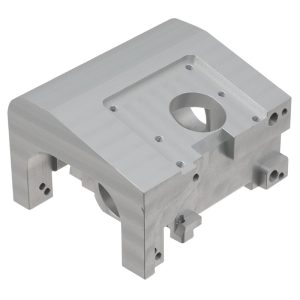
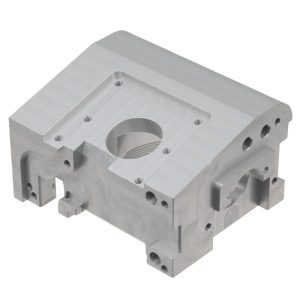
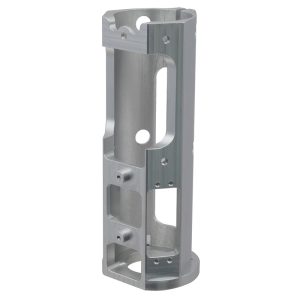
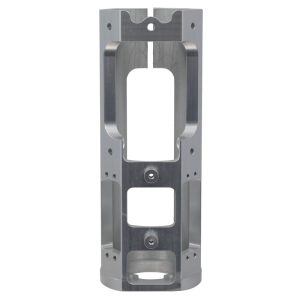
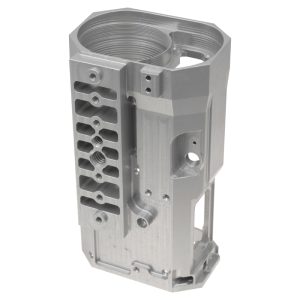
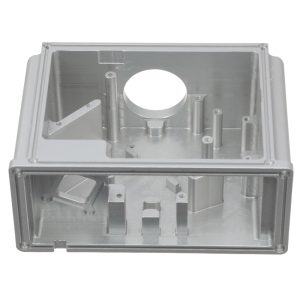
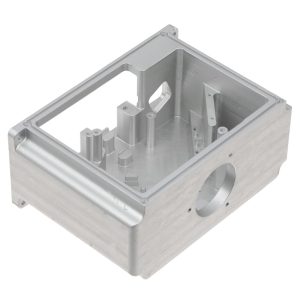
Aluminum exhibits outstanding cutting performance in CNC machining, enabling smooth chip evacuation and minimal tool wear. It supports high-precision manufacturing (tolerances can be controlled to ±0.01mm) and can be shaped into complex structures—including irregular cavities, precision threads, and heat-dissipating fins.
Compared to stainless steel or titanium alloy, aluminum machining cycles are shorter, making it well-suited for custom, low-volume, or mass production runs.
- Strong Corrosion Resistance
Aluminum naturally forms a dense, protective oxide layer on its surface, which defends against corrosion from air, moisture, and weak acids/bases. No complex rust-proof treatments are required, making it suitable for housings used in outdoor smart devices, hydraulic/pneumatic equipment, and marine environments.
- Diverse Surface Finishing Options to Boost Product Value
Aluminum housings are compatible with a wide range of surface treatments, catering to both functional and aesthetic needs:
- Anodization: Creates a wear-resistant, scratch-proof protective layer and can be customized in colors (e.g., red, blue, black) to enhance product differentiation.
- Powder Coating/Sandblasting: Delivers a premium matte or glossy finish, aligning with the visual requirements of industrial equipment.
- Passivation: Further improves corrosion resistance, meeting the hygiene standards of medical and food processing industries.
- Cost-Effective with Mass Production Advantages
Aluminum raw material costs are lower than stainless steel or titanium alloy. Combined with high machining efficiency and low energy consumption, it effectively reduces per-unit production costs.
For high-volume orders, aluminum housings offer exceptional cost-performance, helping customers balance product quality and procurement budgets.