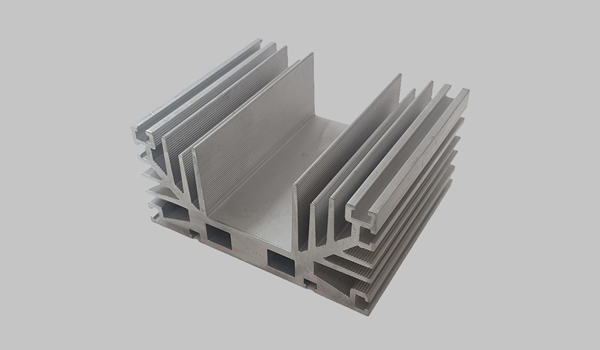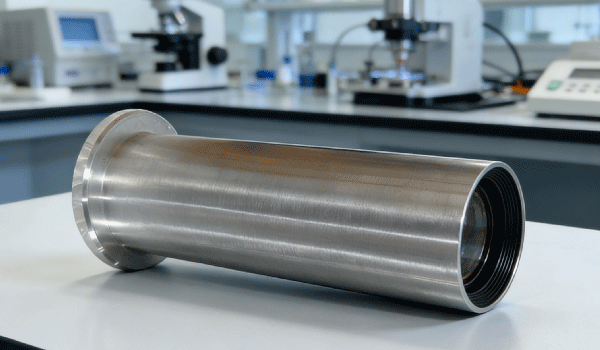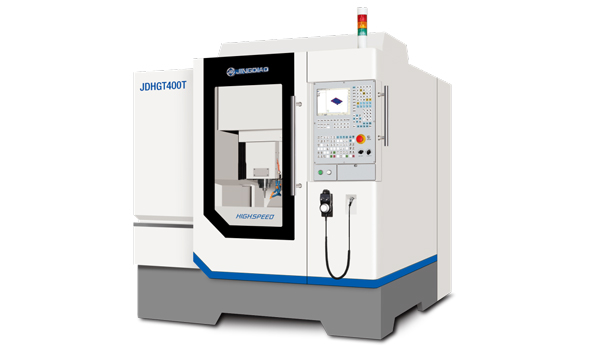
In modern manufacturing, the machining accuracy of complex structural components directly determines the quality and performance of the final product. This is especially true for frame and base-type parts with holes and slots distributed across four sides. For these components, controlling cumulative error during processing is critical.
Traditional machining methods often struggle to meet high-precision requirements when multi-sided operations are involved. Repeated repositioning and re-clamping inevitably introduce alignment deviations, leading to stacked tolerances and dimensional inconsistencies. In contrast, 5-axis machining eliminates this issue by completing multi-sided operations in a single setup—making it a key solution for achieving both precision and efficiency in complex part manufacturing.
Table of Contents
ToggleThe Limits of Traditional Machining: Error Accumulation from Multiple Setups
In the machining of metal structural components, complex frames and base parts present both technical and process-planning challenges. These components typically feature precision holes, slots, and contours on multiple faces. The core difficulty lies not in surface cutting itself, but in maintaining dimensional accuracy and positional tolerance across all features.
Under conventional 3-axis machining processes, parts with four-sided features often require repositioning and re-clamping multiple times—sometimes up to four separate setups. Each setup introduces a degree of positioning error. When repeated, these deviations accumulate, directly impacting assembly accuracy and functional performance.
In industries such as aerospace, new energy vehicles, and medical devices, even micron-level deviations can compromise product reliability or safety. For high-precision structural components in these sectors, traditional multi-setup machining methods often fall short.
5-Axis Machining: Controlling Precision from the Source
The introduction of 5-axis machining fundamentally addresses these precision limitations. By adding two rotational axes to the standard X, Y, and Z linear axes, 5-axis CNC machines enable dynamic tool orientation and full spatial positioning.
This capability allows the cutting tool to approach the workpiece from virtually any angle, eliminating the need for repeated clamping. For frame and base components with multi-sided features, all holes, slots, and surfaces can be machined in a single setup.
By minimizing repositioning, manufacturers significantly reduce tolerance stacking and alignment errors. The result is improved geometric accuracy, tighter positional tolerances, and greater consistency across production batches.
Beyond Precision: Efficiency and Higher Yield Rates
The advantages of single-setup machining extend beyond dimensional accuracy. Multiple setups require additional time for repositioning, alignment, and verification—non-value-added operations that increase cycle time and labor costs.
5-axis machining streamlines the workflow by reducing setup time and shortening overall production cycles. Fewer handling steps also lower the risk of surface damage or accidental impact during repositioning, improving overall part yield rates.
From both productivity and cost-control perspectives, single-setup 5-axis machining offers measurable benefits.
Industry Trend: 5-Axis Machining as a Standard for Advanced Manufacturing
As high-end manufacturing continues to evolve, demand for complex structural components with tight tolerances is growing rapidly. 5-axis machining has become a core technology for meeting these requirements and is widely regarded as a benchmark of a manufacturer’s technical capability.
Mastering 5-axis machining processes—along with optimizing tooling strategies and machining parameters—enables manufacturers to deliver precise, efficient, and reliable solutions for complex structural components.
For machining service providers, continuous refinement of 5-axis capabilities is essential to staying competitive and meeting the increasing expectations of industries that require uncompromising precision.