
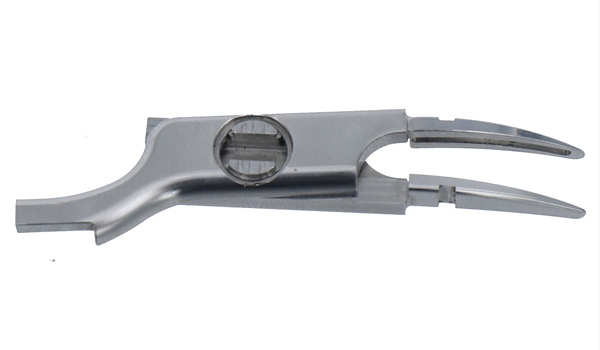
Medical components are typically small-scale, high-precision parts with extremely strict requirements for dimensional accuracy, material safety, and cleanliness. Selecting a CNC prototyping service provider capable of meeting medical standards requires a comprehensive evaluation of their core capabilities.
Based on practical industry experience, the following four key criteria should be prioritized when choosing a high-standard CNC prototyping partner for medical components.
Table of Contents
ToggleProperly Matched Machining Equipment
Most medical components feature compact sizes and intricate geometries. This places high demands on CNC machining equipment, which must be specifically suited for micro and high-precision part manufacturing.
The accuracy level and long-term stability of the equipment directly determine whether the final parts can meet tight dimensional tolerances and function reliably in medical applications. During supplier evaluation, the first step should be to confirm whether the provider’s machining equipment matches the precision requirements of your medical components.
Professional Inspection and Measurement Capabilities
Precision machining cannot be guaranteed without a robust inspection process. Professional metrology tools are essential for ensuring consistent quality in medical CNC parts.
High-precision inspection instruments allow repeated verification of dimensions and tolerances to ensure full compliance with design specifications. Service providers lacking advanced inspection capabilities often struggle to deliver stable and repeatable quality, making this a critical screening factor.
Comprehensive Material Management and Testing Capability
Medical applications impose exceptionally high standards on materials. On one hand, materials must be clean, safe, and free from contamination to prevent infection risks. On the other hand, they must exhibit excellent biocompatibility and avoid adverse reactions when in contact with human tissue or skin.
This requires CNC service providers to maintain a rigorous material management system and possess professional material analysis and testing capabilities. The ability to verify material composition and perform processes such as cleanroom-level cleaning is essential to minimize material-related risks from the source.
High-Standard Post-Processing Procedures
After machining, micro medical components typically require multiple post-processing steps. Burr removal is especially critical—medical parts must meet a true “zero-burr” standard to eliminate the risk of particle detachment or injury during use.
In addition, processes such as precision cleaning, passivation, and surface treatment must be performed to standards significantly higher than those for general industrial parts. Only service providers with mature, well-documented post-processing workflows can ensure final part quality suitable for medical use.
Conclusion
When selecting a CNC prototyping service provider for medical components, these four criteria offer a practical and effective initial screening framework. After preliminary evaluation, it is equally important to assess the supplier’s hands-on experience with medical part machining.
By taking a comprehensive approach, manufacturers can identify truly qualified, high-standard CNC partners—ensuring both the quality and safety of medical components throughout development and production.


