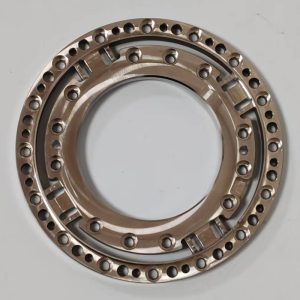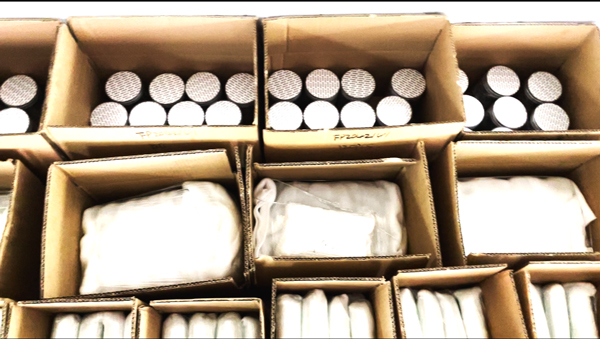
In today’s dynamic manufacturing landscape, small batch production has emerged as a cornerstone of agility, enabling businesses to respond quickly to market demands, test new product designs, and cater to customized client needs. Unlike mass production, which prioritizes high volume and standardized outputs, small batch production focuses on flexibility, quality, and rapid turnaround—requirements that traditional machining methods often struggle to meet. This is where Computer Numerical Control (CNC) machining shines: as a automated, precision-driven technology, it has redefined small batch production, bridging the gap between customization and efficiency, and becoming an indispensable tool for industries ranging from aerospace to consumer electronics.
Table of Contents
ToggleWhat is Small Batch Production, and Why Does Precision Matter?
Small batch production refers to the manufacturing of a limited number of parts or products, typically ranging from 10 to 1,000 units (though thresholds may vary by industry). This approach is favored for its ability to minimize inventory costs, reduce time-to-market for new products, and accommodate design iterations—critical for startups, niche businesses, and industries with evolving customer preferences. However, small batch production also presents unique challenges: without the economies of scale of mass production, manufacturers must balance cost-effectiveness with uncompromising precision, as even minor defects can disproportionately impact profitability and brand reputation.
Precision is non-negotiable in small batch production, especially for industries such as medical device manufacturing, automotive prototyping, and aerospace components, where parts must adhere to strict tolerances (often measured in thousandths of an inch). Traditional manual machining relies heavily on the skill of the operator, leading to inconsistencies, longer lead times, and higher error rates—issues that can be catastrophic in small batches. CNC machining eliminates these variables by using computer-aided design (CAD) and computer-aided manufacturing (CAM) software to automate the machining process, ensuring that every part is identical, accurate, and compliant with design specifications.
The Advantages of CNC Machining for Small Batch Production
CNC machining offers a suite of benefits that make it uniquely suited for small batch production, addressing the core challenges of flexibility, precision, and cost-efficiency. These advantages have solidified its position as the preferred machining method for low-volume manufacturing.
Unmatched Precision and Consistency
CNC machines operate with exceptional accuracy, guided by pre-programmed CAD/CAM instructions that eliminate human error. Unlike manual machining, where operator fatigue or inconsistency can lead to variations between parts, CNC machines repeat the same movements with pinpoint precision—even across small production runs. This consistency is critical for small batches, where each part must perform as intended, whether it’s a custom gear for a robotics project or a medical implant component. Tolerances as tight as ±0.0005 inches are achievable with CNC machining, making it ideal for applications where precision directly impacts performance and safety.
Rapid Turnaround and Design Flexibility
Small batch production often requires quick responses to market changes or design adjustments—and CNC machining delivers on this front. Once a CAD/CAM program is created, it can be modified in minutes to accommodate design iterations, eliminating the need for expensive and time-consuming tooling changes associated with traditional machining or injection molding. For example, if a prototype part fails testing, the CNC program can be adjusted, and new parts can be machined the same day—significantly reducing lead times compared to manual methods, which may require retooling or retraining operators.
This flexibility also extends to the range of parts that can be machined. CNC machines (including mills, lathes, and routers) can handle complex geometries—such as curved surfaces, intricate slots, and internal cavities—that are difficult or impossible to achieve with manual machining. This makes CNC machining ideal for custom parts, prototypes, and small batches of specialized components that require unique designs.
Cost-Effectiveness for Low Volumes
One of the biggest misconceptions about CNC machining is that it is only cost-effective for mass production. In reality, CNC machining is highly economical for small batches, as it eliminates many of the fixed costs associated with other manufacturing methods. Unlike injection molding, which requires expensive molds (often costing thousands of dollars) that are only cost-effective for high volumes, CNC machining requires minimal tooling—typically just end mills, drills, and inserts—that can be reused across multiple jobs. Additionally, the automation of CNC machining reduces labor costs: a single operator can oversee multiple CNC machines, reducing the need for a large skilled workforce.
CNC machining also minimizes material waste, as the precision of the process ensures that raw materials are used efficiently. This is particularly important for small batches, where material costs can account for a significant portion of the total production cost. By reducing waste and eliminating the need for expensive tooling, CNC machining makes small batch production accessible and affordable for businesses of all sizes.
Versatility Across Materials and Industries
CNC machining is highly versatile, capable of working with a wide range of materials—including metals (aluminum, steel, titanium, brass), plastics (ABS, PVC, nylon), composites, and even wood. This versatility makes it suitable for small batch production across diverse industries, from aerospace and defense (where lightweight, high-strength metals are used) to consumer goods (where plastics and custom finishes are common) to medical devices (where biocompatible materials are required).
For example, in the automotive industry, CNC machining is used to produce small batches of custom engine components or prototype parts for new vehicle models. In the medical industry, it is used to manufacture small batches of surgical instruments, implants, and diagnostic equipment—all of which require strict precision and compliance with regulatory standards. In the electronics industry, CNC machining is used to create custom enclosures, heat sinks, and circuit board components for small-batch electronic devices.
Key Considerations for Optimizing CNC Machining in Small Batch Production
While CNC machining offers significant advantages for small batch production, there are several key considerations to ensure optimal results, minimize costs, and maximize efficiency.
CAD/CAM Programming Optimization
The quality and efficiency of CNC machining depend heavily on the CAD/CAM program. For small batches, it’s critical to optimize the program to reduce cycle times, minimize tool wear, and ensure precision. This includes selecting the right cutting tools, optimizing feed rates and spindle speeds, and using advanced programming techniques (such as high-speed machining) to reduce machining time without compromising quality. Working with experienced CAD/CAM programmers can help streamline the process and avoid costly mistakes.
Material Selection
Choosing the right material for small batch production is essential, as it impacts both machining efficiency and part performance. Factors to consider include the material’s machinability (how easily it can be cut, drilled, or milled), strength, durability, and cost. For example, aluminum is highly machinable and cost-effective, making it ideal for small batches of non-structural parts, while titanium is stronger but more difficult to machine, making it suitable for high-performance applications (but more expensive). Selecting a material that balances machinability and performance can help reduce machining time and costs.
Quality Control and Inspection
In small batch production, every part counts—so implementing robust quality control (QC) and inspection processes is critical. CNC machines often include built-in QC features (such as in-process probing) that can detect errors in real time, allowing for immediate adjustments. Additionally, post-machining inspection using tools such as calipers, micrometers, and coordinate measuring machines (CMMs) ensures that parts meet design tolerances. Investing in QC processes early can help avoid costly rework and ensure customer satisfaction.
Partnering with an Experienced CNC Machinist
For businesses that do not have in-house CNC capabilities, partnering with an experienced CNC machining service provider is key. A reputable provider will have the expertise, equipment, and software to handle small batch production efficiently, from design optimization to final inspection. They can also offer guidance on material selection, programming, and cost-saving strategies, helping businesses get the most out of their small batch production projects.
Conclusion
CNC machining has revolutionized small batch production, offering a precision-driven, flexible, and cost-effective solution for businesses looking to meet the demands of today’s fast-paced manufacturing environment. Its ability to deliver consistent, high-quality parts with rapid turnaround times, combined with its versatility across materials and industries, makes it an indispensable tool for small batch production.
Whether you’re a startup testing a new product prototype, a niche business catering to custom client needs, or a large enterprise producing small batches of specialized components, CNC machining provides the agility and precision required to succeed. By optimizing programming, selecting the right materials, implementing robust QC processes, and partnering with experienced professionals, businesses can maximize the benefits of CNC machining and unlock new opportunities in small batch production.