
Table of Contents
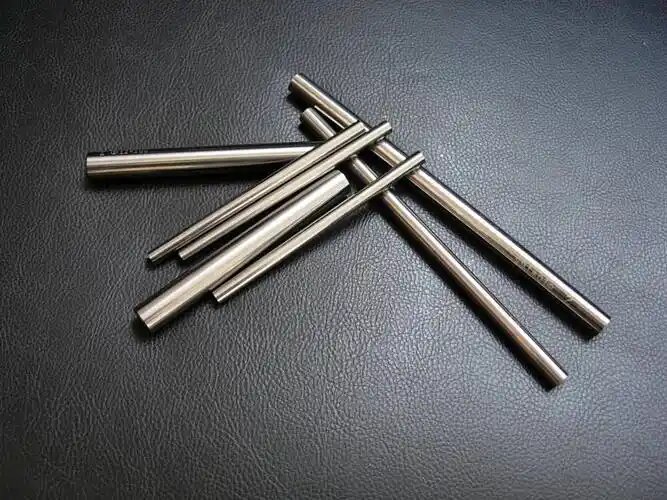
ToggleStainless Steel Shafts Are Definitely Machinable
While stainless steel shafts are fully machinable, they pose a tougher challenge compared to conventional steel. Their inherent high strength and toughness make them prone to work hardening during cutting operations, which accelerates tool wear.
Common grades including austenitic stainless steels like 304 and 316, as well as martensitic stainless steel 420, can all be processed via methods such as turning, milling and grinding. The key lies in selecting the right machining techniques and parameters.
Machining Challenges and Solutions
Machining stainless steel shafts involves three core challenges, along with targeted solutions:
- Rapid tool wear: Opt for carbide or coated cutting tools, and maintain a relatively low cutting speed.
- Built-up edge formation: Keep the cutting edge sharp and adopt tools with chip breaker designs.
- Poor heat dissipation: Apply sufficient coolant to avoid local overheating and subsequent workpiece deformation.
Common Machining Process Selection
The choice of machining process depends on the required precision level of the shaft:
- Turning: Ideal for rough machining and shafts with general precision requirements.
- Grinding: Suited for applications demanding high surface finish and tight dimensional tolerances.
- Specialized machining: Wire EDM is used for complex-shaped shafts, while laser cutting is appropriate for thin-walled components.
- Rolling: Enhances the surface hardness and fatigue strength of the shaft.


