
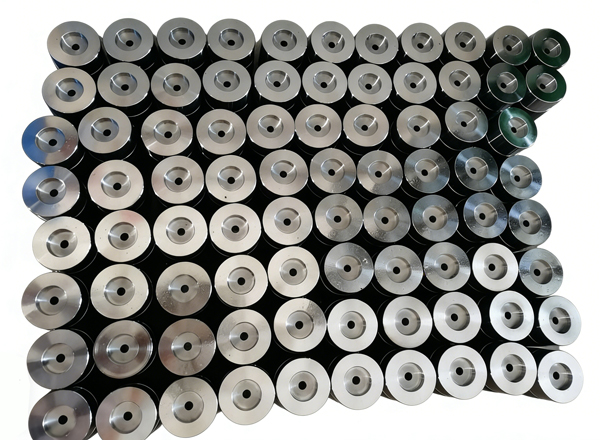
In the field of CNC part machining, the production batch size directly dictates the production process planning logic. Small-batch machining and mass production differ significantly in process arrangement, yet both can guarantee consistent part quality.
The core objective of small-batch CNC machining is fast delivery. This type of production typically caters to needs such as prototype trial runs and urgent part replenishment, which demand strict turnaround times. To meet quick shipment requirements, manufacturers do not adopt the traditional “meticulous work with slow processes” approach. Instead, they adjust the process flow strategically. For example, they may merge some non-critical processes or simplify certain auxiliary steps. These adjustments do not compromise the quality of the final product; they are merely adaptations to match the production schedule.
On the other hand, the core goal of mass-production CNC machining is cost control. When order volumes are sufficiently large, manufacturers optimize processes to reduce the unit cost of each part. Common optimization methods include using standardized fixtures to cut down clamping time, refining tool paths to boost machining efficiency, and centralizing the handling of specific processes to achieve economies of scale. The underlying logic of these process adjustments is to maximize the amortization of equipment, labor, and other costs while upholding quality standards, thereby enhancing the overall cost-effectiveness of production.
In summary, the key distinction between small-batch and mass-production CNC machining lies in the motivation behind process adjustments. The former prioritizes delivery speed, while the latter focuses on cost optimization, with consistent quality standards maintained throughout. This insight helps buyers select the most suitable production solution based on their order volume and delivery requirements.


