
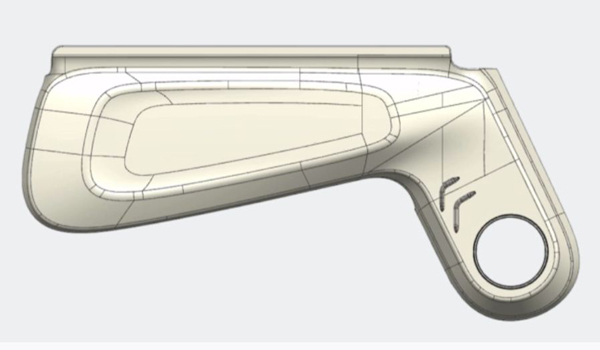
So, what exactly is DFM feasibility analysis for CNC machining?
In short, it is a comprehensive evaluation of a product design’s manufacturability, production efficiency and cost during the design phase. The ultimate goal is to determine whether the design aligns with all CNC machining requirements and constraints. At its core, it verifies three key points: can the design be machined at all; can it be produced efficiently; and is the cost reasonable and controllable?
- Evaluating Material Cost and Machinability
Different materials vary greatly in terms of procurement costs and compatibility with CNC machining. Choosing the right material not only controls raw material expenses, but also significantly boosts machining efficiency and product quality.
- Assessing Design Geometry Complexity and Machining Difficulty
Based on the capabilities and technical constraints of CNC equipment, it identifies any design features that may be difficult to machine. Pinpointing these issues early helps avoid deviations or production failures in later machining stages.
- Analyzing Manufacturing Feasibility and Optimization Potential
Through simulation and analysis, it predicts potential problems that may arise during actual production. It also uncovers opportunities for design optimization, thereby improving overall production efficiency and final product quality.


